- calendar_today April 21, 2026
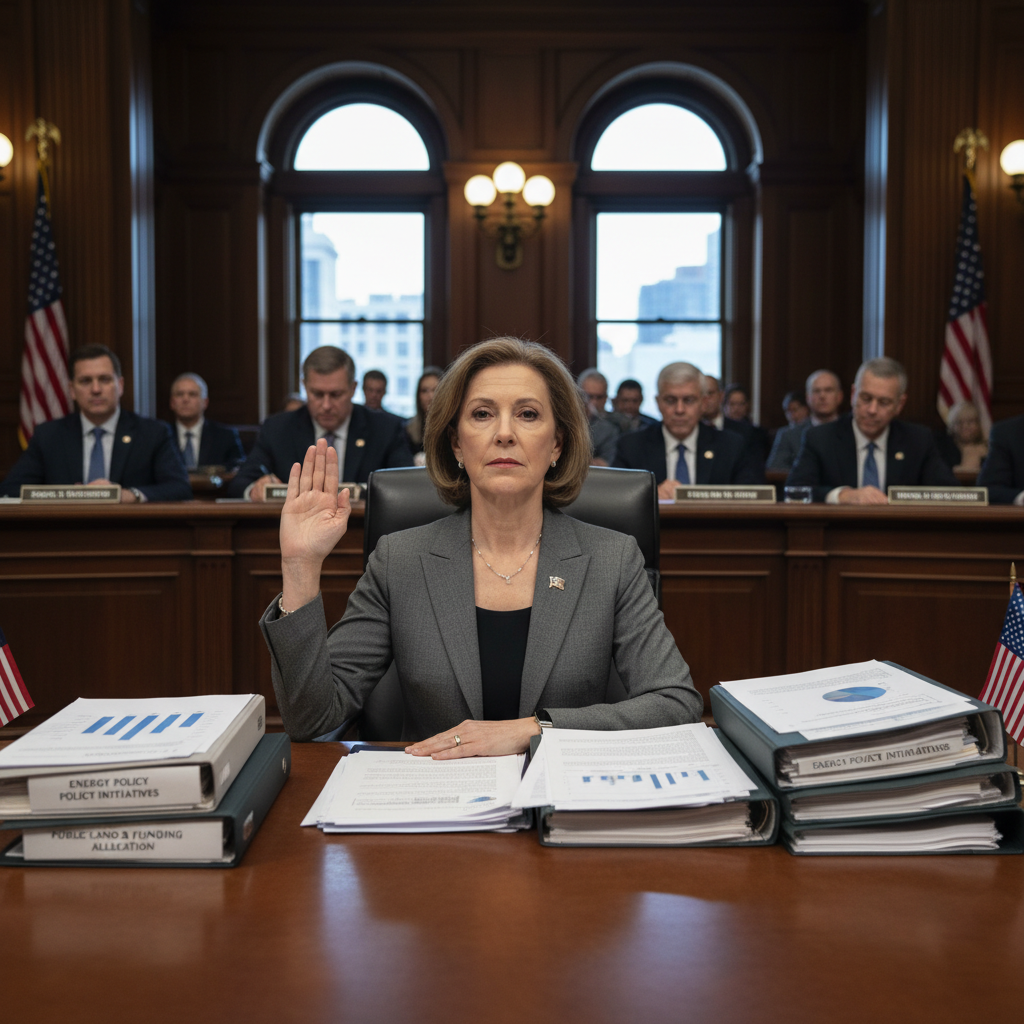
At a recent House Appropriations Committee hearing, Arizona’s congressional delegation took center stage in debates over the nation’s fossil fuel policy, navigating a sharp political divide over the Interior Department’s priorities and funding allocations. The session, which drew attention from communities across Arizona, revisited fundamental questions about the future of energy, public lands, and the impacts on local institutions.
Interior Department Faces Scrutiny Over Energy Priorities
Interior Secretary Doug Burgum defended the Trump-era position on fossil fuel policy, contending that the administration’s approach addresses what he characterized as an overly hasty national push toward renewable energy. Burgum maintained that supporting oil and gas producers—by rolling back certain energy regulations—better balances American energy needs, especially in heavily impacted Western states such as Arizona.
Renewable Energy and Budget Allocations Under Debate
Members of the House Appropriations Committee, including several from Arizona, voiced divergent views on how the interior department should manage resources. Democrats criticized cuts to wind and solar programs, arguing that investment in renewable energy remains essential for a resilient electrical grid and for addressing climate concerns in the Southwest. The debate highlighted the conflicting philosophies shaping America’s energy transition—whether to accelerate solar and wind development or to prioritize traditional energy sources during the shift.
Impacts on Oil, Gas, and National Park Funding
Arizonans closely followed the discussions around the proposed $16 billion congressional budget for the interior department. Notably, the proposal includes a $757 million decrease in national park funding—a change likely to affect staffing and services at iconic Arizona sites such as the Grand Canyon. Lawmakers from both sides expressed concerns that such cuts could undermine conservation goals and reduce public access at a time when park visitation continues to climb.
Tribal Education Faces Steep Budget Reductions
The bureau of indian education was singled out in the hearing, with a 32% budget cut under consideration. Arizona representatives and tribal leaders urged robust consultations with Native communities to prevent funding gaps for tribal schools, which serve thousands of students statewide. Lawmakers emphasized that reductions in educational resources could deepen existing challenges faced by Native youth across the region.
Local Issues: Mining, Staffing, and Community Impact
The hearing also brought attention to regional issues, such as proposed mining restrictions and chronic understaffing at national parks. Arizona stakeholders argued that limiting access to mining resources could impact local economies, while reductions in park support threaten tourism, a vital part of the state’s economy. The broader debate touched on how energy policy decisions ripple outward, influencing employment across multiple sectors within Arizona.
Energy Transition Sparks Ongoing Partisan Divide
Arizona’s role in shaping U.S. energy policy was underscored during the session, as lawmakers weighed the reliability and affordability of different power sources. Proponents of fossil fuels, hydropower, and nuclear energy maintained that these sources are critical to meeting base load requirements and supporting communities amid the energy transition. Meanwhile, supporters of wind and solar cautioned that underinvestment in renewable energy could slow Arizona’s capacity to adapt to future energy needs and climate risks.
Conclusion: The Road Ahead for Arizona Energy Policy
The House Appropriations hearing concluded without consensus, but the passionate exchanges signal that the debate over America’s—and Arizona’s—fossil fuel policy is far from over. As lawmakers work to reconcile differences over the congressional budget, the future allocation of funds for national park funding, renewable energy, indigenous education, and energy regulation will remain critical to the region’s economic and environmental health. Local stakeholders, from tribal educators to park administrators and energy producers, are likely to closely monitor the evolving discussions in Washington and their impact on Arizona communities.