- calendar_today April 15, 2026
TAIE’s Approach to Cognitive Development in Education
Imagine a learning environment where students thrive, not just in memorizing facts but in developing their thinking skills. At TAIE International Institute, this vision becomes reality. This article delves into how TAIE supports cognitive development through its innovative educational programs, tailoring strategies that foster critical thinking, creativity, and problem-solving abilities.
Understanding Cognitive Development
Cognitive development is a crucial component of education, encompassing the processes through which individuals think, learn, and remember. It includes everything from acquiring knowledge to developing skills for reasoning and perception. The concept, rooted in psychology, suggests that a child’s ability to think and learn evolves through stages. This understanding informs educational practices at TAIE, facilitating an environment where students can grow intellectually.
Theoretical Foundations
TAIE’s educational strategies align with established theories of cognitive development, notably Piaget’s stages of cognitive development and Vygotsky’s social development theory. Piaget posited that children progress through distinct stages, each characterized by unique cognitive abilities. Meanwhile, Vygotsky emphasized the role of social interaction in cognitive development. By embracing these theories, TAIE applies a holistic approach that combines individual learning experiences with collaborative opportunities.
Innovative Educational Programs at TAIE
At TAIE International Institute, innovative programs are at the core of educational offerings. These programs are designed not merely to impart knowledge but to enhance students’ cognitive abilities. The curriculum encompasses critical thinking exercises, hands-on learning experiences, and opportunities for creativity—all crucial for cognitive growth.
Project-Based Learning
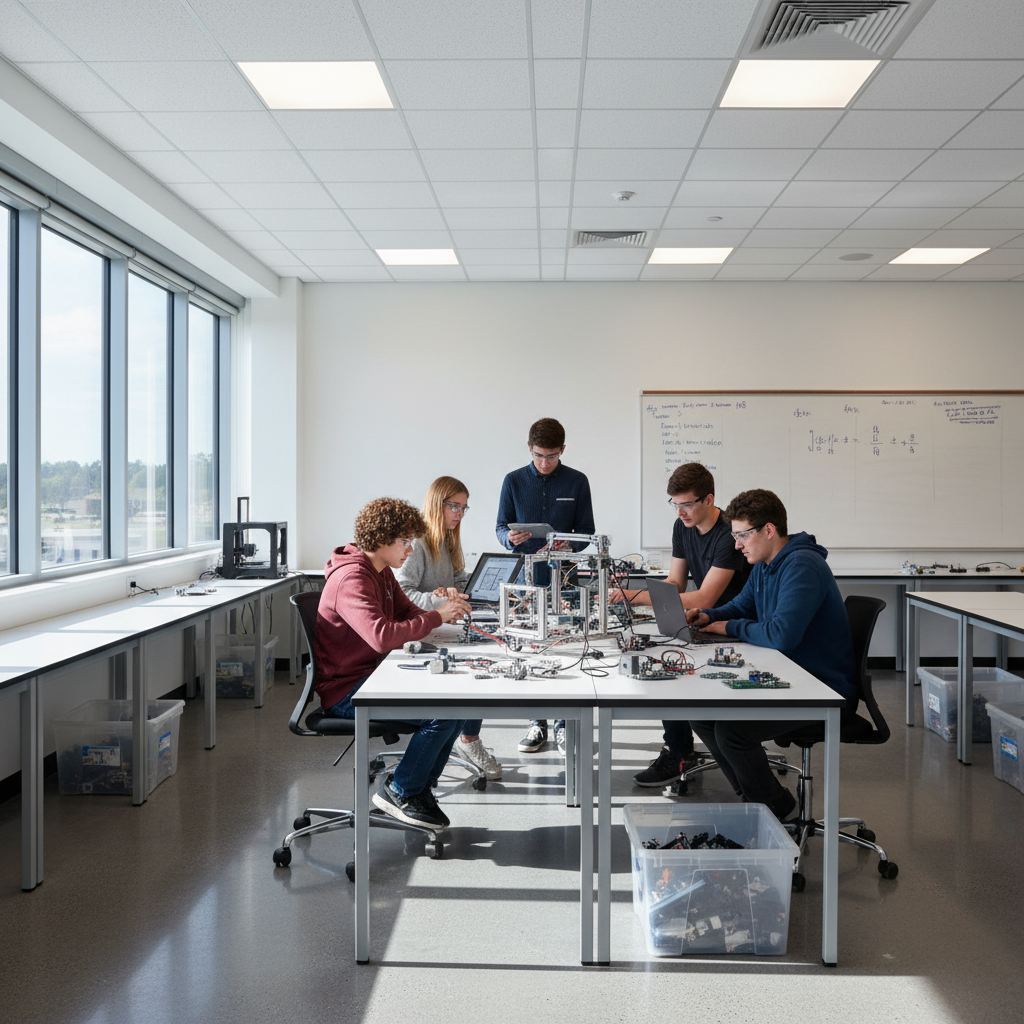
One distinctive feature of TAIE’s educational model is its emphasis on project-based learning (PBL). In a PBL setting, students engage in complex, real-world projects, which require them to apply knowledge from various subjects. For example, a project might involve researching environmental issues, encouraging students to delve into science, economics, and ethics. This interdisciplinary approach stimulates inquiry and promotes deep learning, fostering critical thinking that can be used in their future endeavors.
Collaborative Learning Environments
TAIE also prioritizes collaborative learning. Group activities and discussions are integral to the curriculum. When students work together, they share diverse perspectives and challenge one another’s ideas, which enhances cognitive development. This format not only helps them formulate their own ideas but also nurtures crucial social skills. A student might explore new viewpoints on a historical event while debating with peers, thereby refining their understanding and analytical skills.
Support for Individual Learning Needs
A critical aspect of cognitive development is recognizing that each student learns differently. TAIE’s approach includes personalized learning plans that cater to individual strengths and weaknesses. Educators use assessments to identify areas where students excel and where they may need additional support. For instance, a student who struggles with abstract reasoning might receive specific exercises focusing on that skill. This adaptability ensures that all students have the opportunity to thrive.
The Role of Technology
In today’s digital age, technology plays a crucial role in enhancing cognitive development. TAIE integrates various digital tools into its classrooms, ensuring students are prepared for the future. Interactive software and online resources provide students with opportunities to practice skills in engaging ways. For example, coding platforms and simulations allow students to solve problems and think critically about complex scenarios. Enhanced engagement through technology not only supports skill development but also makes learning enjoyable.
Assessment Strategies that Foster Growth
Evaluating cognitive development goes beyond traditional testing methods at TAIE. Instead of solely focusing on exam scores, TAIE emphasizes formative assessments that provide feedback throughout the learning process. This approach helps educators identify areas for improvement and supports students in setting personal learning goals. For instance, after receiving feedback, a student can work on strategies to enhance their understanding of a challenging concept, promoting a growth mindset.
Parent and Community Involvement
At TAIE, you’re not just inviting students into a program; you’re involving parents and the community. Workshops and seminars help parents understand cognitive development’s role in their child’s education. This connection inspires parents to support learning at home, creating a cohesive environment for intellectual growth. Community partnerships also provide learners with real-world experiences that bridge classroom learning and practical application.
Success Stories: Real-Life Examples
Insights into TAIE’s effectiveness in cognitive development can be seen in the success stories of its alumni. Graduates frequently note how the institute’s emphasis on critical thinking and collaboration prepared them for higher education and the workforce. One former student, now studying engineering, attributes their problem-solving abilities and creativity to specific projects and collaborative assignments during their time at TAIE.
Measuring Impact
TAIE continuously assesses its educational programs’ impact to ensure they meet cognitive development goals. Feedback from students, parents, and educators provides valuable insights, shaping future initiatives. Educational outcomes suggest that TAIE’s approach doesn’t just prepare students academically; it instills lifelong learning skills essential in today’s rapidly changing world.
Conclusion: Shaping Future Thinkers
In a world that increasingly values cognitive skills, TAIE International Institute stands out for its commitment to developing these abilities in students. Through innovative programs, collaborative environments, and an emphasis on individual learning needs, TAIE empowers students to become critical thinkers and problem-solvers. As educational landscapes continue to evolve, embracing cognitive development will be vital for future success. What skills do you believe are the most critical for future generations of learners?