- calendar_today August 1, 2026
The future of Arizona’s water supply is at a crossroads as the U.S. Bureau of Reclamation unveils its final environmental impact statement on post-2026 guidelines for managing the Colorado River. The much-anticipated framework, which could dramatically reduce water deliveries to Lower Basin states, has placed Arizona’s reliance on the colorado river under unprecedented scrutiny and ignited concerns among regional officials and stakeholders.
Sharp Reductions Proposed for Arizona’s Water Allocation
Under the federal proposal, Arizona faces the possibility of water allocation cuts as high as 77%, far exceeding the 31% reduction the state government had previously endorsed. This plan, shaped by the bureau of reclamation after years of drought and climate-driven declines in river flow, would have a direct impact on Arizona water supply, already a pressing policy and economic issue across the region.
Lower Basin States Bear the Heaviest Burden
The new river operating guidelines suggest Lower Basin states—including Arizona, California, and Nevada—will shoulder the most severe reductions. Debate over how to divide the cuts has stymied water negotiations, with Upper Basin states contending that Lower Basin states should face the brunt of restrictions due to their heavier historical use of the river. Arizona’s Governor Katie Hobbs and several legislative leaders have pushed for a less severe approach, urging the federal government to reconsider the proposed formula and adopt cuts closer to the state’s original proposal.
Economic Concerns and Agricultural Implications
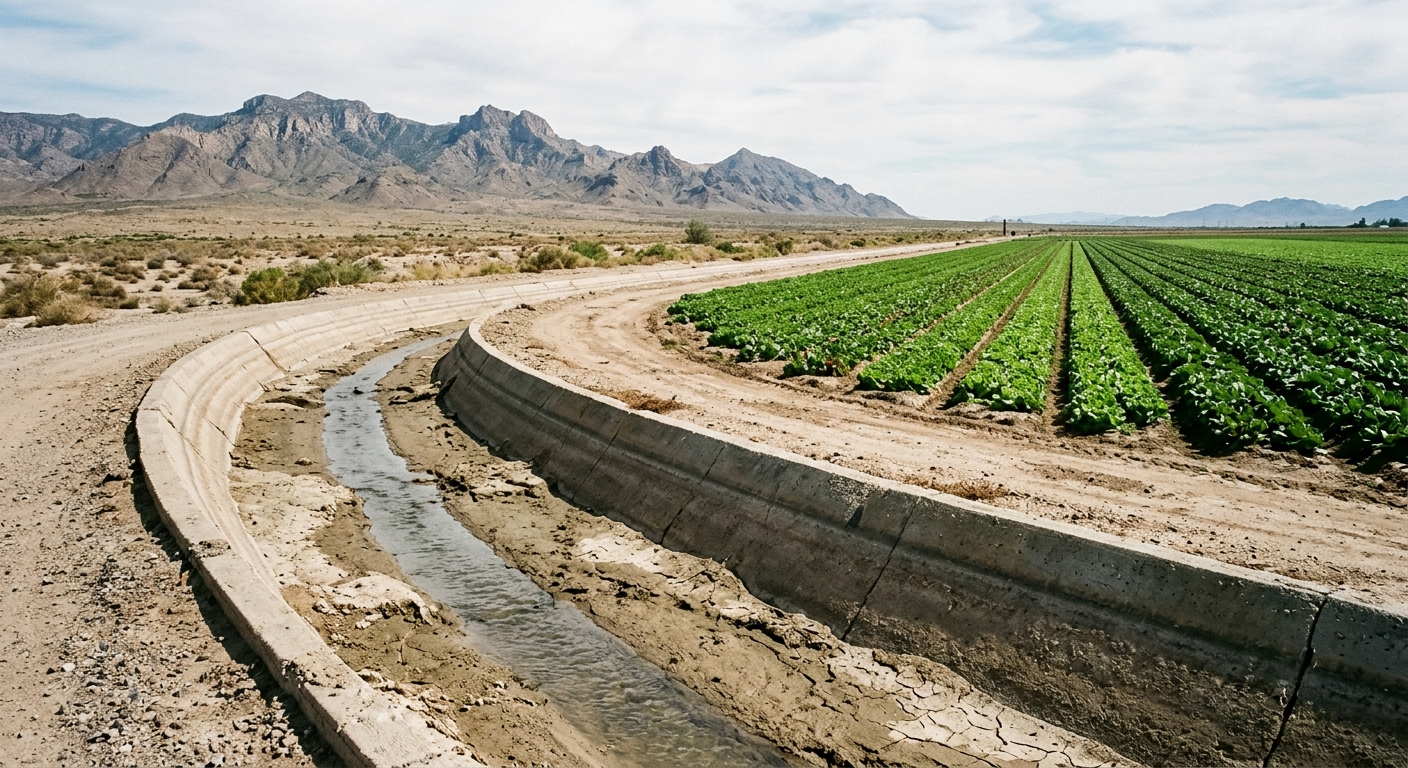
About 36% of Arizona’s water supply depends on the colorado river, with more than 70% supporting agriculture. State officials warn that such significant water allocation cuts could threaten farms, increase costs for consumers, and disrupt rural economies. The water shortage impact is expected to ripple beyond agriculture, affecting cities and industries throughout Arizona.
Legal and Political Challenges Ahead
Preparing for the potential fallout, Arizona has indicated readiness for water rights litigation to defend its access to the river. Political leaders from both parties have framed the issue as vital to Arizona’s future, emphasizing that securing a fair share of water is not just an economic imperative but also a matter of sovereignty and environmental stewardship. The state’s legal teams are closely examining all avenues as the region braces for possible court battles stemming from the bureau of reclamation’s final plan.
Long-Term Water Resource Management Strategies
Despite the scale of the proposed reductions, experts caution that Arizona is not on the brink of running out of water. Instead, community leaders and specialists highlight the need for robust water resource management. Strategies include investing in new infrastructure, expanding conservation programs, and pursuing regional partnerships. Agencies and agricultural stakeholders are also turning to technology and alternative sources to weather the ongoing colorado river drought.
Continuing Negotiations and Regional Cooperation
Resolution remains elusive as water negotiations continue between states, federal agencies, and tribal governments. While some parties advocate for stronger long-term agreements, consensus has been hard to achieve. Arizona officials remain hopeful that through continued dialogue, more equitable solutions will emerge, ensuring that water supply security and environmental health for the region are not compromised. The outcome of these talks will shape Arizona’s environmental and economic landscape for years to come.