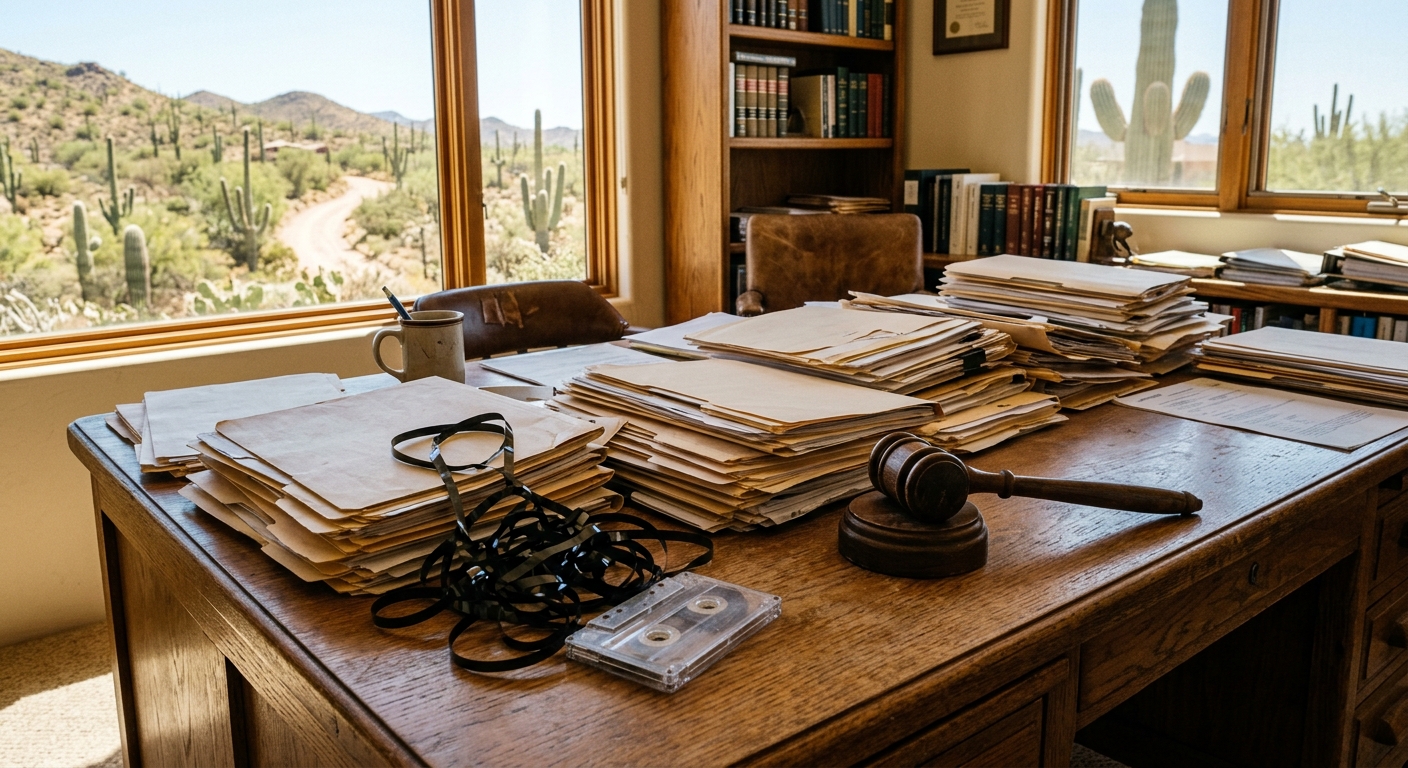
AI-generated illustration; not a photograph of the reported event.
- calendar_today September 21, 2026
PHOENIX, Arizona – In a pivotal ruling for transparency in Arizona, the Arizona Supreme Court has clarified that government entities across the region can face liability if they destroy public records after those records have been requested. The decision responds to growing concerns among Arizona residents, advocacy groups, and public institutions regarding access to government information.
Arizona Supreme Court Bolsters Public Records Law
The ruling underscores the critical importance of Arizona’s public records law and sets clear expectations for compliance throughout the state. The high court instructs trial courts to exercise independent judgment when deciding if requested materials qualify for record disclosure, rather than relying solely on agency determinations.
Key Provisions: Court Oversight and Record Retention
Under the court’s guidance, trial judges in Arizona may conduct their own private inspection of government records to ascertain whether any legal exceptions to disclosure might apply. The ruling reinforces the presumption that most government records are public and limits opportunities for agencies to shield information from public view.
Additionally, the court’s stance sets a high bar for record retention. Once a public records request is made, responsible parties must preserve the relevant material. The destruction of records after a request has been filed, considered record destruction in violation of the law, can lead to serious consequences for agencies and universities in Arizona.
The Case: University of Arizona and Legal Implications
The case at the center of this decision involves Matthew Abraham’s challenge to the University of Arizona’s handling of university records related to hiring and discrimination issues. The Arizona Supreme Court found that the University’s destruction of an audio recording—after it was specifically requested—violated both state statutes and foundational public transparency principles. The matter has been sent back to the lower court for further review of remaining issues.
Legal Fees and Access to the Courts
The ruling introduces expanded rights for those whose public records requests are denied or delayed. Requesters now have the ability to seek reimbursement of legal fees if their cases go to court, making it easier for individuals and organizations to pursue government accountability. However, such reimbursement only becomes available after a lawsuit is filed—potentially creating cost barriers for those unable to afford litigation without upfront resources. The justices pointed to this challenge as an area where further legislative action may be necessary to ensure fair access to the courts for all Arizonans.
Impact on Arizona Communities and Public Agencies
The decision is expected to affect a wide range of government records practices throughout Arizona. Local governments, public agencies, and educational institutions, including the University of Arizona system, must now reevaluate their record-keeping and disclosure procedures. The Arizona Supreme Court has made it clear that transparency is the default position, and agencies will be held accountable for compliance.
Unresolved Issues and Legislative Opportunities
While the ruling provides significant clarity regarding record retention and judicial oversight, some legal questions remain open. The court’s opinion signals a need for lawmakers to consider additional reforms to further streamline public records requests and address lingering obstacles posed by potential legal costs. Advocacy groups in Arizona are also expected to call for expanded assistance to citizens navigating the complex landscape of public records law.
Preserving Transparency for the Future
This Arizona Supreme Court decision marks a notable step forward for public access to information in the region. By strengthening safeguards against record destruction and enhancing the review process in trial courts, Arizona affirms its commitment to open government. As stakeholders adapt to these new requirements, the outcome serves as a reminder of the foundational role public records play in democracy and civic life for communities across Arizona.