- calendar_today June 29, 2026
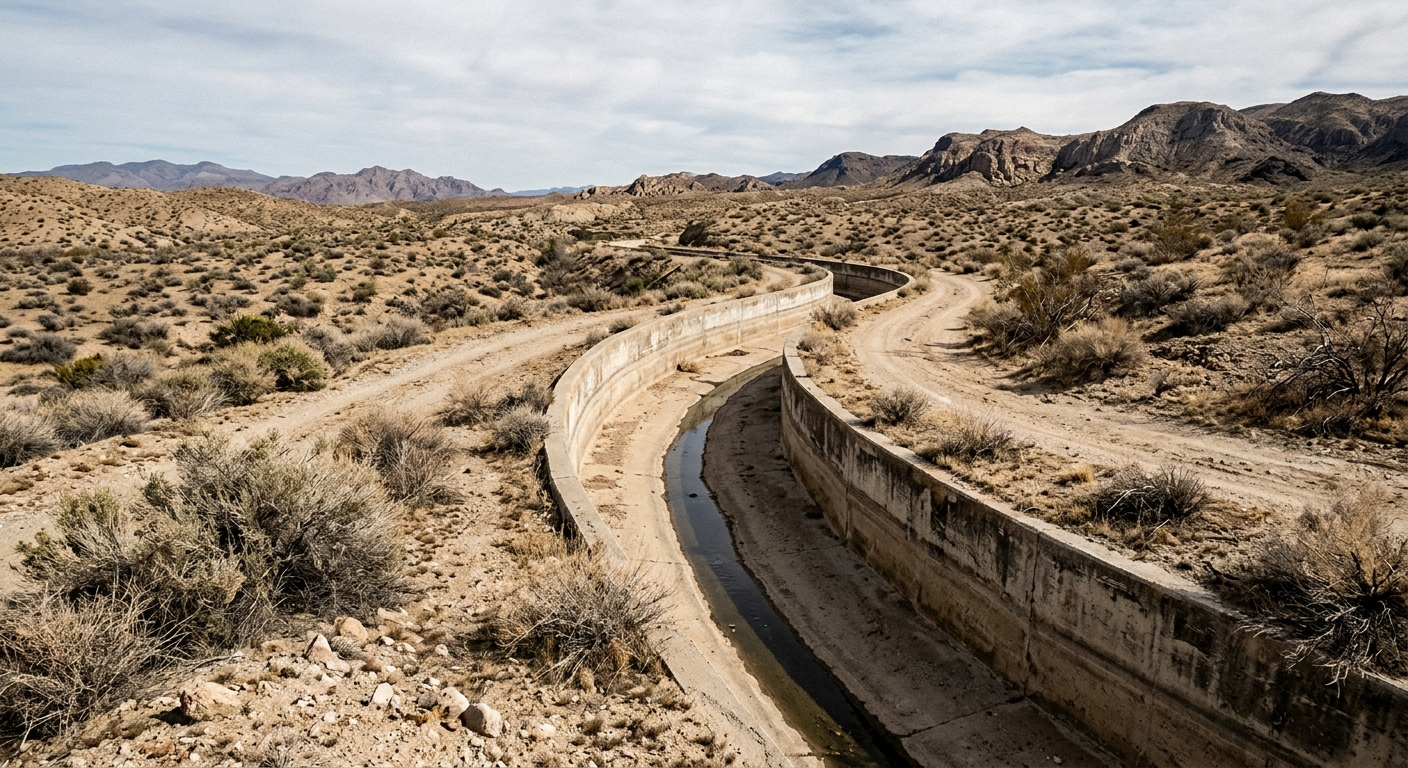
Arizona remains at the heart of the ongoing Colorado River water management crisis, facing unprecedented challenges as western states struggle to reach consensus on long-term solutions. While the health of the Colorado River is critical to millions in the region, Arizona’s communities and economy are especially vulnerable to the escalating dispute.
Stalled Negotiations Among Basin States
Tensions persist among Colorado River basin states, as parties deliberate allocation and conservation tactics. Arizona’s leaders, including Governor Katie Hobbs, have voiced concerns over a lack of compromise from upper basin counterparts. This reluctance to engage in meaningful water negotiations has left Arizona at risk of severe arizona water shortage scenarios, particularly as climate variability intensifies the river’s challenges.
Impacts of Budget Cuts on Water Initiatives
At the center of Arizona’s water planning is the Water Infrastructure Finance Authority (WIFA), established in 2022 to invest in long term water solutions. Initially endowed with $1 billion, WIFA saw a dramatic reduction in resources as legislators reallocated two-thirds of its funding to shore up the state’s budget. The resulting water budget cuts have impeded the authority’s ability to rapidly deploy vital programs aimed at stabilizing Arizona’s water future.
Innovative Approaches to Water Supply Development
Despite fiscal constraints, WIFA’s board recently reaffirmed its leadership and renewed commitment to water supply development. The agency continues to advance cost studies and technical reviews on landmark projects such as desalination and water importation projects from California. These strategies are vital as the state faces a combination of population growth and diminishing surface water supplies from the Colorado River.
Coping With the Reality of Arizona Water Shortages
Arizona’s agriculture, municipalities, and key economic sectors increasingly recognize the urgency of reinforcing local water systems. With the potential of arizona water shortage scenarios looming large, emphasis is shifting towards comprehensive water conservation plans and new infrastructure. Some advocacy groups are calling for robust investment, citing Texas’s $20 billion water proposition as a potential model to bolster state water funding for Arizona’s needs.
Federal Involvement and the Path Ahead
Federal oversight and the possibility of litigation further complicate efforts to reach interstate agreements. The U.S. Bureau of Reclamation has been increasingly active in mediating discussions, yet the lack of a regionally accepted plan has Arizona preparing for unilateral measures to address water shortfalls. The state’s focus on scientific innovation, sustainable development, and forward-thinking long term water solutions reflects a resolve to control its own water destiny.
Call for Sustainable, Stable Funding
Local experts and water advocates in Arizona emphasize the critical need for increased, stable state water funding. Without assured financial support, both major infrastructure investments and grassroots water conservation programs risk losing momentum. Stakeholders point to the diversity of funding models in use across other colorado river basin states, and urge policymakers to secure revenue streams that can support Arizona’s evolving water infrastructure for decades to come.
Securing Arizona’s Water Future
As Arizona faces mounting population pressures and increasingly challenging climate conditions, the quest for sustainable water management grows ever more urgent. The state’s experience with the colorado river water crisis resonates not only across the region, but also as a case study for resilience and adaptability. Through innovation, strategic partnerships, and reinvestment, Arizona aims to ensure that its citizens, farms, and industries have access to reliable water for generations ahead.