- calendar_today August 19, 2026
PHOENIX — Autonomous trucks are at the center of a policy debate gripping Arizona and neighboring regions, as the rapid advancement of driverless freight technology outpaces a clear federal standard. With Arizona positioning itself as a national testbed, state agencies and industry leaders are navigating the challenges and opportunities presented by this transformative technology.
Growing Momentum for Driverless Semis
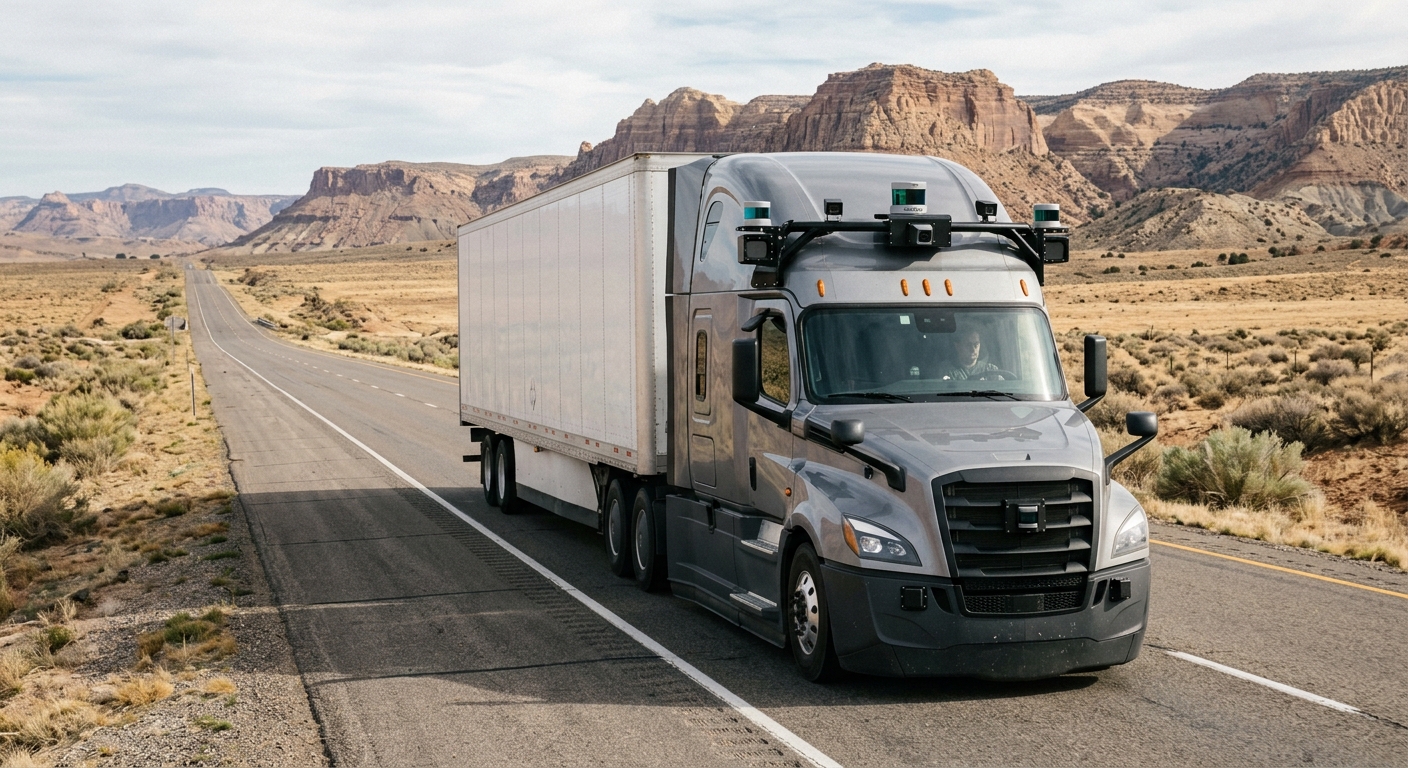
Companies advancing driverless semis have expanded their commercial deployment in Arizona, leveraging the region’s extensive interstate network. Aurora Innovation, Gatik, and Kodiak AI are among the firms piloting autonomous operations, citing benefits such as improved truck safety and reduced transportation costs. Although advocates praise these advancements, ongoing disputes between stakeholders highlight the complex intersections of innovation, public safety, and workforce stability.
Patchwork of Truck Regulations Sparks Controversy
Arizona is one of several states crafting its own truck regulations without waiting for comprehensive federal oversight. This has resulted in a patchwork of rules nationwide, with some legislatures considering “driver in laws” that would require a human operator in every vehicle. While Arizona has generally supported pilot projects and industry partnerships, other states have enacted—or attempted to enact—more restrictive measures.
Regulatory Divides and State Legislation
Recent high-profile lawsuits, such as a Teamsters-backed challenge to California’s DMV, highlight labor unions’ growing concern over the economic and social impact of these vehicles. Arguments center on the absence of broad public consultation and the threat of job losses within the autonomous trucking industry. As a result, state legislation has diverged sharply, with some regions blocking autonomous truck programs and others, including Arizona, embracing them under controlled pilot initiatives.
Economic Impact: From Truck Platooning to Workforce Concerns
Proponents of autonomous trucks point to practices like truck platooning—where digitally linked vehicles travel closely together—to enhance fuel efficiency and lower transportation costs. These efficiencies are projected to partially address the persistent truck driver shortage that challenges the nation’s supply chain. However, labor groups remain wary, contending that commercial deployment of self-driving semis could dramatically alter employment landscapes in trucking-dependent communities such as those across Arizona.
Federal Action and Industry Investment
Amid the shifting regulatory environment, federal lawmakers including Rep. Vince Fong are advocating for unified rules that supersede disparate state measures. The push for nationwide standards underscores the urgency to safeguard both public safety and economic competitiveness as the U.S. races to keep pace with international advancements. Consulting firm McKinsey projects the autonomous freight market could be worth up to $600 billion by 2035, driving intensified industry investment and innovation.
Balancing Safety and Progress in Arizona’s Future
As Arizona and its cities serve as proving grounds for this technology, local institutions and policymakers find themselves balancing innovation with community priorities. The deployment of autonomous trucks, alongside continued pilot testing and truck safety studies, will shape the state’s approach to technology-driven transformation. Both supporters and critics agree that striking the right balance in regulatory frameworks will be crucial as the region charts its course in the evolving world of driverless freight.