- calendar_today July 2, 2026
PHOENIX—Arizona is accelerating its push for nuclear energy as a cornerstone of the state’s power strategy, with major nuclear energy arizona initiatives now underway. The effort arrives at a critical time for Arizona, as energy demand grows and traditional resources face scrutiny over sustainability and availability.
Utilities Launch Thorough Siting Study
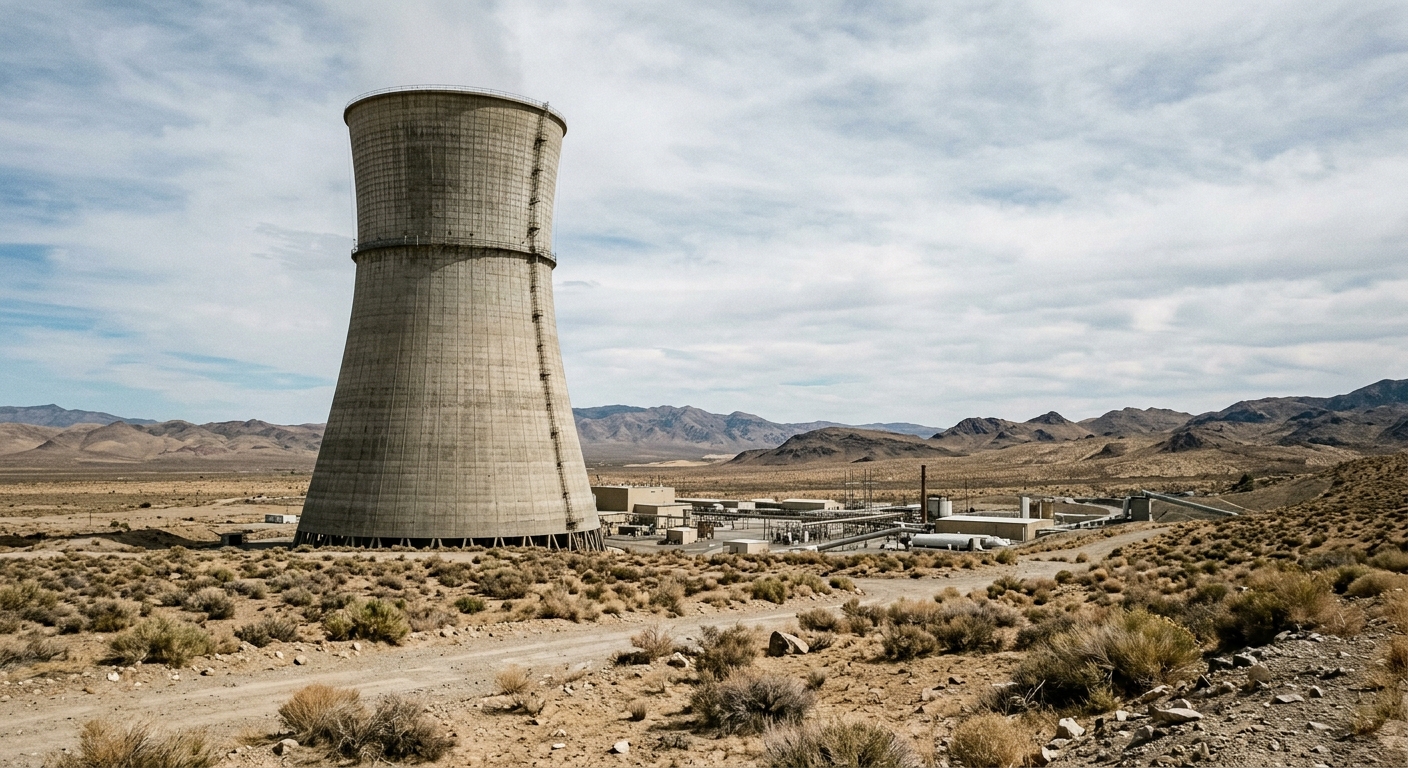
Arizona’s three primary energy providers—Arizona Public Service, Salt River Project, and Tucson Electric Power—are collaborating on an expansive energy siting study. This joint effort aims to identify optimal locations for next-generation nuclear power plants, with former coal plant sites among the options under consideration. By exploring such sites, the utilities hope to leverage existing infrastructure and community familiarity, minimizing new environmental disruptions.
Funding Hurdles: DOE Grant Denial
Despite their ambitions, arizona utilities recently encountered financial complications when a much-anticipated department of energy grant was not awarded. The setback increases the importance of state and local support, as federal funding options appear more limited at this stage. Still, the companies maintain confidence in securing alternative financing through partnerships and future grants.
Colorado River Water Scarcity and Nuclear Cooling Challenges
The ongoing decline in colorado river water supply poses significant hurdles to the deployment of new nuclear facilities, particularly for addressing nuclear cooling challenges. Since water is an essential component in the cooling systems of nuclear reactors, new sites must carefully assess their sources and usage. The existing Palo Verde Nuclear Generating Station, a model in the region, utilizes recycled wastewater and is examining the use of groundwater as an alternative. This approach may guide the development of new plants in Arizona, but concerns remain about long-term water costs and environmental impacts.
Legislative Efforts for Small Modular Reactors Face Veto
The deployment of small modular reactors has been seen by many as a potential solution to Arizona’s energy and environmental challenges. Legislative proposals aiming to streamline environmental permits for these reactors recently met resistance, as Governor Katie Hobbs vetoed a measure designed to relax reviews. Citing the still-developing nature of the technology, the governor emphasized the need for thorough scrutiny. The setback underscores the balance policymakers must achieve between innovation and caution.
Stakeholder Engagement and Community Response
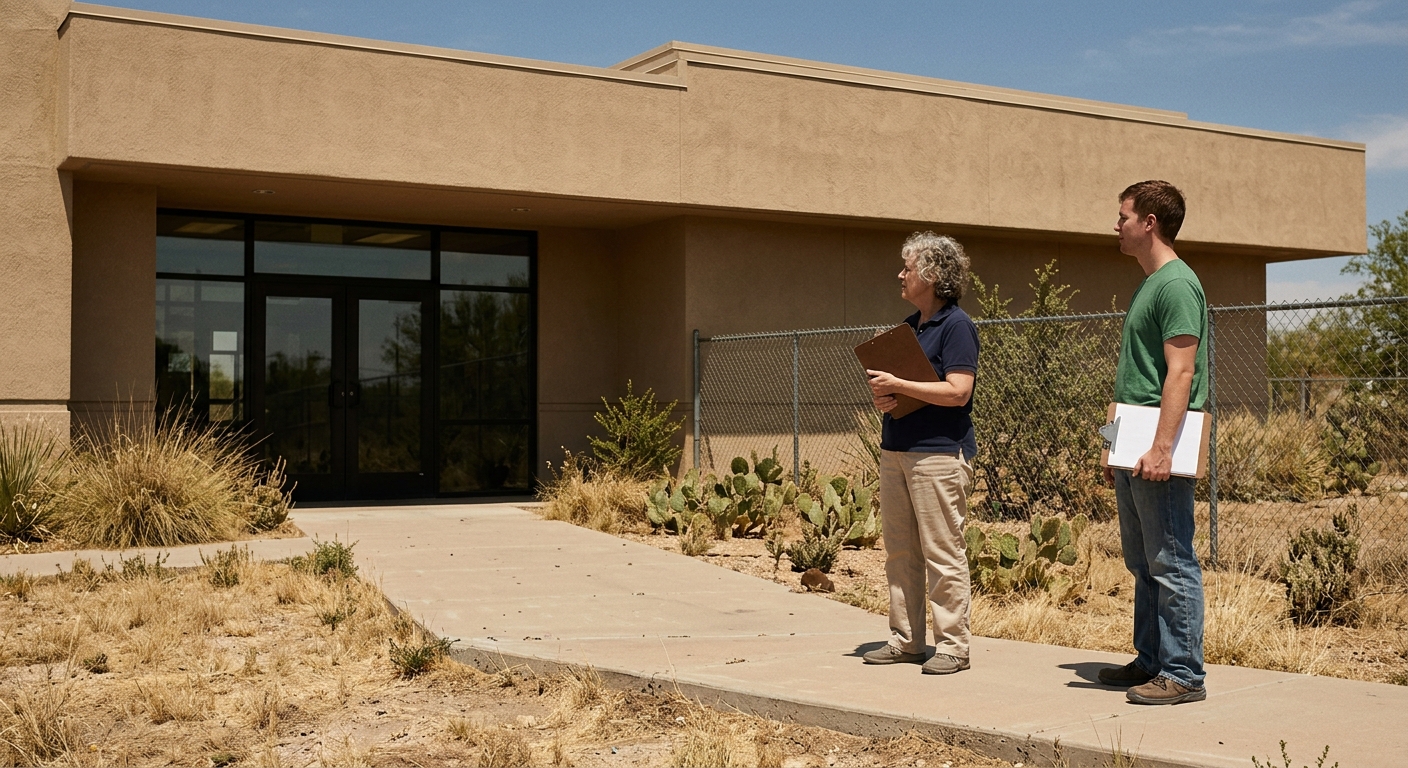
In line with regulatory expectations and public interest, utilities have signaled plans to hold community stakeholder meetings throughout Arizona. These sessions are designed to gather feedback, address concerns, and provide information about the transition to nuclear energy. Initial indications show strong bipartisan support within the legislature, and several local government leaders are expressing readiness to participate in the process.
Arizona Corporation Commission and the Path Forward
The arizona corporation commission, which oversees utility regulation statewide, plays a pivotal role in evaluating any eventual applications. A formal review process would begin after siting studies and public feedback conclude, with early site permits potentially submitted to federal authorities for approval.
Energy Transition and Arizona’s Future
The pursuit of nuclear energy arizona stands as a key element in shaping the arizona energy future. Local communities, infrastructure partners, and policymakers are all closely watching the developments. While obstacles remain—chief among them water availability and funding—the state’s resourcefulness and community-driven model continue to drive momentum. Across Arizona, the prospect of cleaner, reliable power through nuclear technology is increasingly viewed as a viable route for long-term growth and sustainability.