- calendar_today August 12, 2025
Introduction: Arizona Responds to Trade Policy Uncertainty
The business and financial circles of Arizona are watching with keen interest the changing dynamics of global trade after the new trade policy initiatives by former President Donald Trump. With a succession of new tariff enactments and altered trade pacts, the state is preparing for ripple impacts throughout its economy that cuts across industry sectors.
From the busy industrial hubs of Phoenix and Tucson to tourist destinations such as Sedona and Scottsdale, the effects of trade realignments are being experienced in industries from manufacturing and logistics to hospitality and investment planning. Companies, investors, and policymakers alike are now considering strategies to effectively counter these changes.
Market Reactions: Business and Investor Sentiment
The initial reaction to these policy shifts has been one of guarded optimism combined with concern, as stakeholders throughout Arizona sort through short-term volatility and long-term prospects.
Stock Market Volatility and Investor Sentiment
Investors and banks based in Arizona are experiencing rising volatility in the stock market, driven by uncertainty about global tariffs, possible trade wars, and declining global economic growth. The volatility is inducing portfolio realignment, especially for those holding stakes in manufacturing, retail, and consumer goods.
Industrial and Trade Sectors Gear Up for Shifts
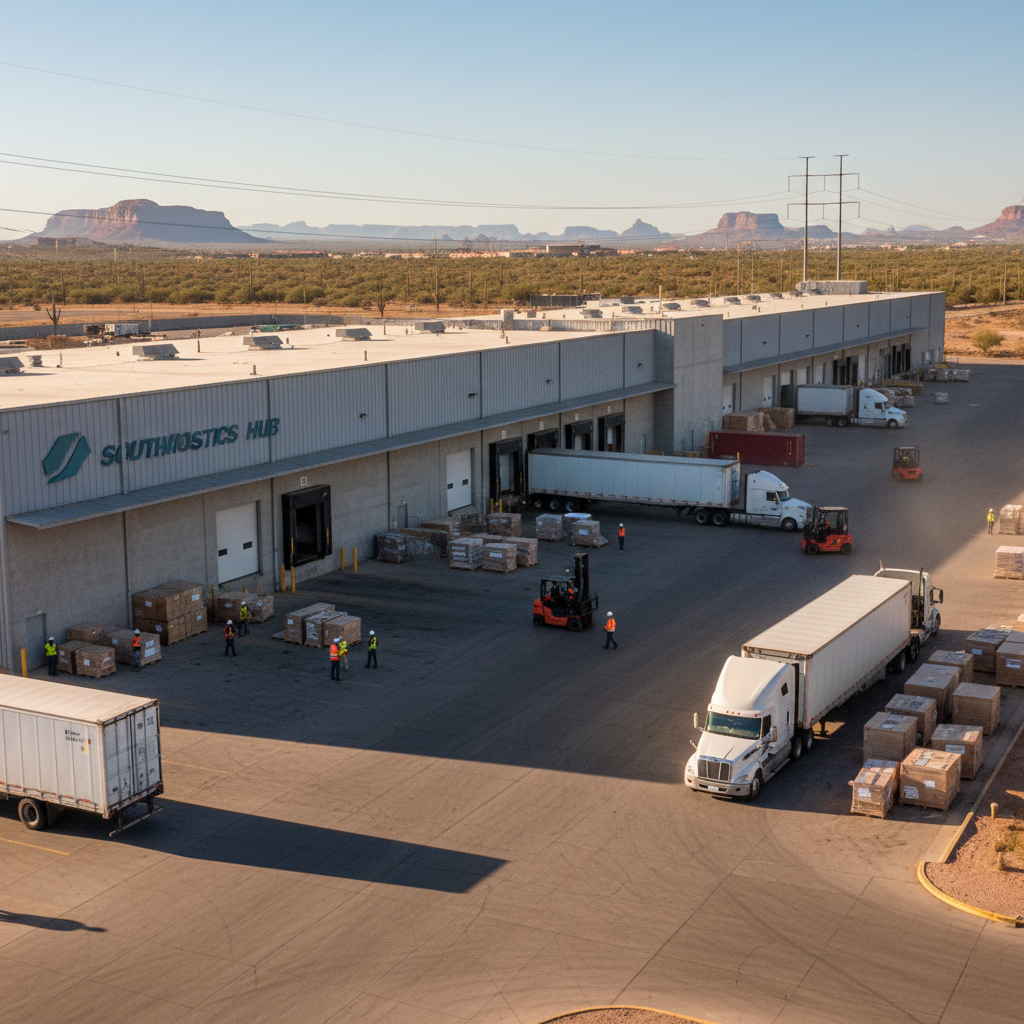
Arizona’s logistics and manufacturing centers, including the Greater Phoenix area, are reconsidering operations based on projected higher raw material prices and potential supply chain disruptions. Businesses that utilize imported parts are especially susceptible to these price rises.
Tourism and Consumer Spending Trends
Arizona’s tourism sector, which is one of the major engines of economic activity in the state, also looks on. Tariffs pushing the cost of consumer products upward can lead to tourists reducing discretionary expenses, whereas consumers locally put higher priority on basics over discretionary services. This could have a cascade effect across hospitality, retail, and service operations throughout the state.
Important Changes in Trade Policy and Their Far-Reaching Implications
Trump’s most recent trade policies involve actions like higher tariffs on Chinese and Mexican imports, re-examination of international trade alliances, and renegotiated trade agreements such as the new USMCA. For Arizona, these developments add a new degree of uncertainty to industries reliant on international commerce.
Tariff Increases Increase Operating Expenses
Companies in Arizona that rely on foreign-sourced raw materials and equipment, like electronics makers and builders, are paying more for procurement. Such costs frequently get transferred to customers or built into narrower profit margins, potentially constraining expansion and innovation.
Trade Agreements Shape Industry Operations
Renegotiated agreements such as the USMCA introduce new rules and compliance expenses, especially for businesses engaged in cross-border commerce with Mexico, one of Arizona’s biggest trading partners. Rule of origin and labor standard changes are reshaping the sourcing and production of goods in the region.
Policy Reactions and Business Strategy Shifts
In turn, Arizona’s business leaders are advocating with state and federal lawmakers for support of in-state industries through subsidies, adjustment assistance, and retraining efforts. Companies also are looking for regional supply systems and domestic supply sources to avoid over-reliance on dynamic foreign markets.
Economic Analysts Opine: Strategic Adjustments Across Industry Sectors
Arizona-based business economists and industry analysts are sharing their views regarding how various industries could be impacted:
- Corporate Strategy: Companies are more and more concentrated on supply chain diversification, renegotiating contracts with suppliers, and shifting manufacturing to tariff-free areas when possible.
- Consumer Goods and Retail: Retailers, specifically e-commerce businesses with foreign suppliers, are adapting pricing structures and inventory methods to compensate for delayed shipments and higher costs.
- Investment Management: Financial advisors are advising clients to focus on domestic-focused sectors, inflation-protected assets, and diversified international exposure to hedge against market volatility caused by trade tensions.
Sector Spotlight: Industries Most at Risk
Arizona’s diverse economic base offers some resilience, but certain industries are more vulnerable to trade turbulence.
Technology and Logistics
Arizona’s developing position as a center of logistics and technology, particularly in Tempe and Phoenix, makes the region especially attuned to fluctations in the costs of importing and exporting. Those firms relying on semiconductors, electronics, and hi-tech machinery are experiencing backlog and cost hike.
Tourism and Hospitality
A decline in consumer confidence and travel budgets due to inflationary pressure from tariffs may slow down Arizona’s booming tourism economy. Restaurants, hotels, and entertainment spots may experience fewer customers and narrower margins as travelers become more frugal.
Retail and E-Commerce
Merchants selling items for brick-and-mortar businesses or websites are facing longer delivery times and tariffs for imports. Others are opting for American-based manufacturers or other global partners that aren’t influenced by the new tariffs.
Planning Ahead: Getting Through a Volatile Trade Environment
As policies evolve, Arizona’s business community and policymakers are making moves to get ahead of economic unrest:
- Tracking Inflation Patterns: Increased import prices can push the total cost of goods and services upward, exerting pressure on wages and consumer habits.
- Enhancing International Trade Relations: Arizona is striving to sustain robust relationships with major trading nations such as Mexico and Canada, which are crucial to the state’s import and export operations.
- Adjusting Market Strategies: Financial institutions are advising clients to remain agile, diversify holdings, and keep a close eye on trade-related developments that could impact asset performance.
Conclusion: Resilience and Strategic Adaptation in Focus
As Trump’s trade policies keep remaking global commerce, Arizona is adjusting by blending policy lobbying, corporate nimbleness, and economic diversification. Though certain industries are likely to suffer short-term distress from increasing costs and redirected supply chains, others are capturing new opportunities to bring production closer to home, reinvent sourcing strategies, and deepen domestic markets.
With foresight strategy and cooperative planning, Arizona’s economy is positioned to ride trade turbulence and establish a path of long-term growth and resilience despite global economic transformation.