- calendar_today August 11, 2025
The Federal Reserve’s latest action to suspend interest rate reductions is making its effects felt on Arizona’s economy, ranging from housing to hiring and consumer expenditures. Despite slowing inflation, the cost of borrowing remains elevated, and companies and consumers are being compelled to adapt to the new economic landscape.
Why the Fed Paused Rate Cuts
Interest rates have been maintained flat by the Federal Reserve in an attempt to contain inflation, which remains above target at 2%. Economists had anticipated a cut in interest rates in early 2025, but policymakers have chosen to wait until more stable economic data are witnessed.
For Arizona, this means continued high mortgage, commercial loan, and personal credit borrowing rates influencing different sectors of the economy.
Arizona Housing Market Grapples with Affordability
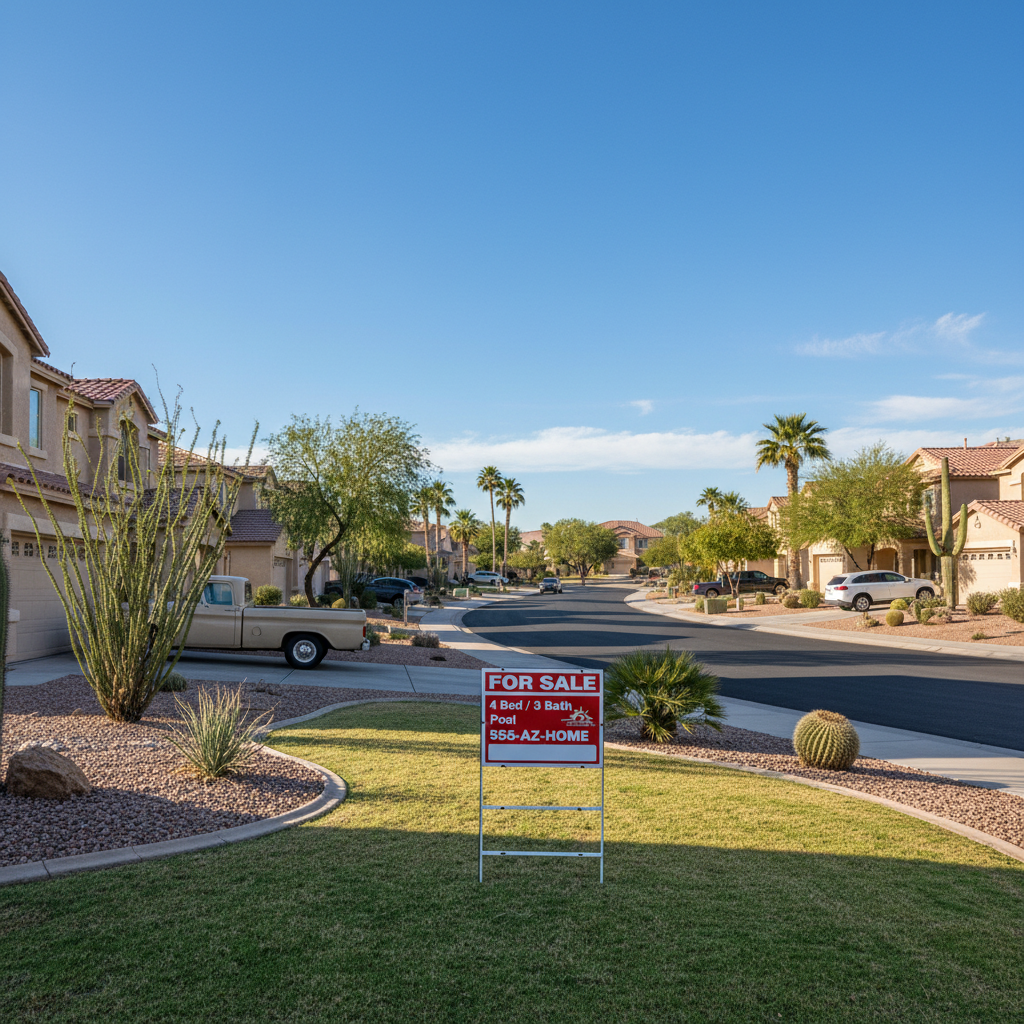
Arizona, and Phoenix and Tucson in particular, have experienced a red-hot housing market in recent times. The Federal Reserve’s keep-the-rates-high strategy, however, has had some unexpected side effects:
- Homebuyers: They are waiting to purchase due to high mortgage rates, reducing housing demand.
- Sellers: Houses are selling more slowly, and some sellers are offering houses at a discount to attract buyers.
- New Building: Home builders are facing greater financing expenses, resulting in fewer home construction projects.
Arizona’s increasing population continues to sustain long-term demand for real estate, however, despite these constraints.
Business and Job Growth Adapt to High Rates
Arizona has been a hotbed of business and job growth, especially for technology, manufacturing, and clean energy. But the delay in rate reductions has given some pause among firms:
- Small Businesses: The loans’ high interest rates will become a major deterrent for entrepreneurs and access to capital.
- Corporate Investment: Major corporations are reconsidering recruitment plans and expansion strategies.
- Employment Trends: Although the labor market is healthy, some industries will start to slow down on hiring due to the uncertain economy.
- Arizona’s economy diversification, e.g., in solar power and semiconductor manufacturing, stabilizes the state, but businesses are watching the Fed closely.
Increased Credit Prices for People
For Arizonans, automobile loan, personal loan, and credit card interest rates remain high. This affects:
- Spend Patterns: The majority of families are cutting back on discretionary spending.
- Car Sales: Exorbitant interest on car loans is preventing customers from purchasing new or second-hand vehicles.
- Debt Payment: Customers pay outstanding debt instead of funding outstanding debt.
Investment and Market Actions
Arizona investors closely follow the financial markets responding to the Fed news.
- Volatility in Stock Market: Investors hedge portfolios on interest rate assumption.
- Real Estate Investment: Financing rate hikes postpone purchases of commercial properties.
- Local Business Growth: New start-up companies and middle-cap businesses look for financing strategies due to higher costs of capital.
Looking Ahead: What’s Next for Arizona’s Economy?
Arizona’s economy is robust but the Federal Reserve’s holding the line on interest rates continues to pose challenges. If further easing of inflation, interest rate reductions are forthcoming, later this year, they would bring a welcome relief to borrowers and business.
Arizona’s future economy, in the meantime, will depend upon how business, homebuyers, and consumers adapt to a prolonged period of high interest rates.