- calendar_today August 9, 2025
In 2025, the escalating trade tensions between the United States and China are sending waves through economies nationwide—and Arizona is no exception. With a diverse economy that includes manufacturing, agriculture, technology, and renewable energy, the state faces unique challenges as tariffs and retaliatory measures reshape trade dynamics.
The Trump administration’s reintroduction of hefty tariffs on Chinese imports earlier this year, coupled with China’s swift countermeasures, has led to an uncertain business environment. For Arizona investors, understanding how these developments affect local industries is critical.
The 2025 Trade Developments
The U.S. government announced a sweeping 54% tariff on a broad array of Chinese goods, ranging from electronics and automotive parts to industrial machinery. These measures aim to boost domestic production but have inadvertently disrupted supply chains and increased costs.
In response, China imposed a 34% tariff on U.S. exports, particularly targeting agricultural products and manufactured goods. Additionally, China restricted exports of rare earth minerals vital to several high-tech and clean energy industries. The World Trade Organization is now involved after China filed a formal complaint challenging the U.S. tariffs.
Arizona’s Economic Exposure
Arizona’s economy is intertwined with global trade in several key sectors:
Manufacturing and Aerospace
Arizona hosts significant manufacturing hubs, including aerospace companies in Phoenix and Tucson. These industries rely on complex international supply chains, including components and raw materials from China. Trade restrictions may lead to higher input costs and production delays, impacting profitability and employment.
Agriculture
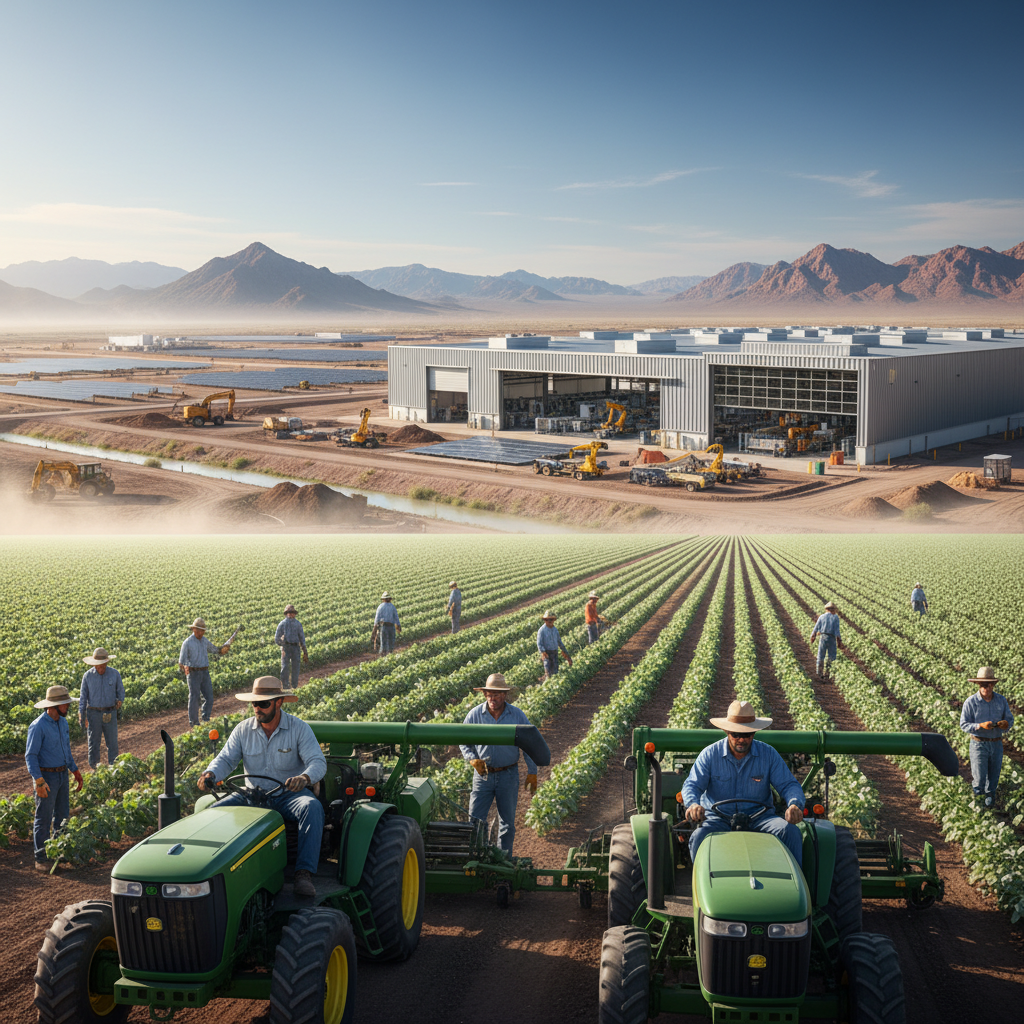
The state’s agricultural sector—famous for producing cotton, lettuce, and citrus—exports a considerable share of its products internationally. With China’s tariffs, Arizona farmers may face reduced demand and pricing pressures, forcing adjustments in export strategies.
Technology and Renewable Energy
Arizona is rapidly growing its technology sector, particularly in semiconductor fabrication and solar energy production. Rare earth mineral export limits from China could hinder supply for essential components in these industries, potentially slowing project timelines and raising costs.
Logistics and Trade
Strategically located with access to major interstate highways and rail networks, Arizona serves as a distribution hub in the Southwest. However, disruptions in imports and exports caused by trade tensions could affect logistics companies and freight costs, with knock-on effects on regional commerce.
Investor Strategies for Arizona
Given the uncertainties, Arizona investors might consider the following approaches:
- Diversify Holdings Across Less Exposed Sectors
Investing in sectors with lower reliance on Chinese imports or exports can help reduce risk amid trade volatility. - Focus on Domestic Growth Opportunities
Companies benefiting from infrastructure projects, reshoring trends, or local supply chains may provide more stability. - Consider Commodities and Inflation-Protected Investments
Real assets such as land or energy-related commodities, as well as Treasury Inflation-Protected Securities (TIPS), can offer buffers against inflation and market swings. - Stay Updated on Policy Changes
Monitoring federal and state initiatives, especially those targeting clean energy or manufacturing incentives, will be vital for timely investment decisions.
Looking Ahead: Navigating Uncertainty
Arizona’s economy is built on adaptability and innovation. While the U.S.–China trade conflict introduces risks, it also presents opportunities for businesses and investors willing to navigate shifting conditions.
Staying informed, maintaining diversified portfolios, and focusing on regional strengths can help Arizona investors weather current challenges and capitalize on emerging trends.