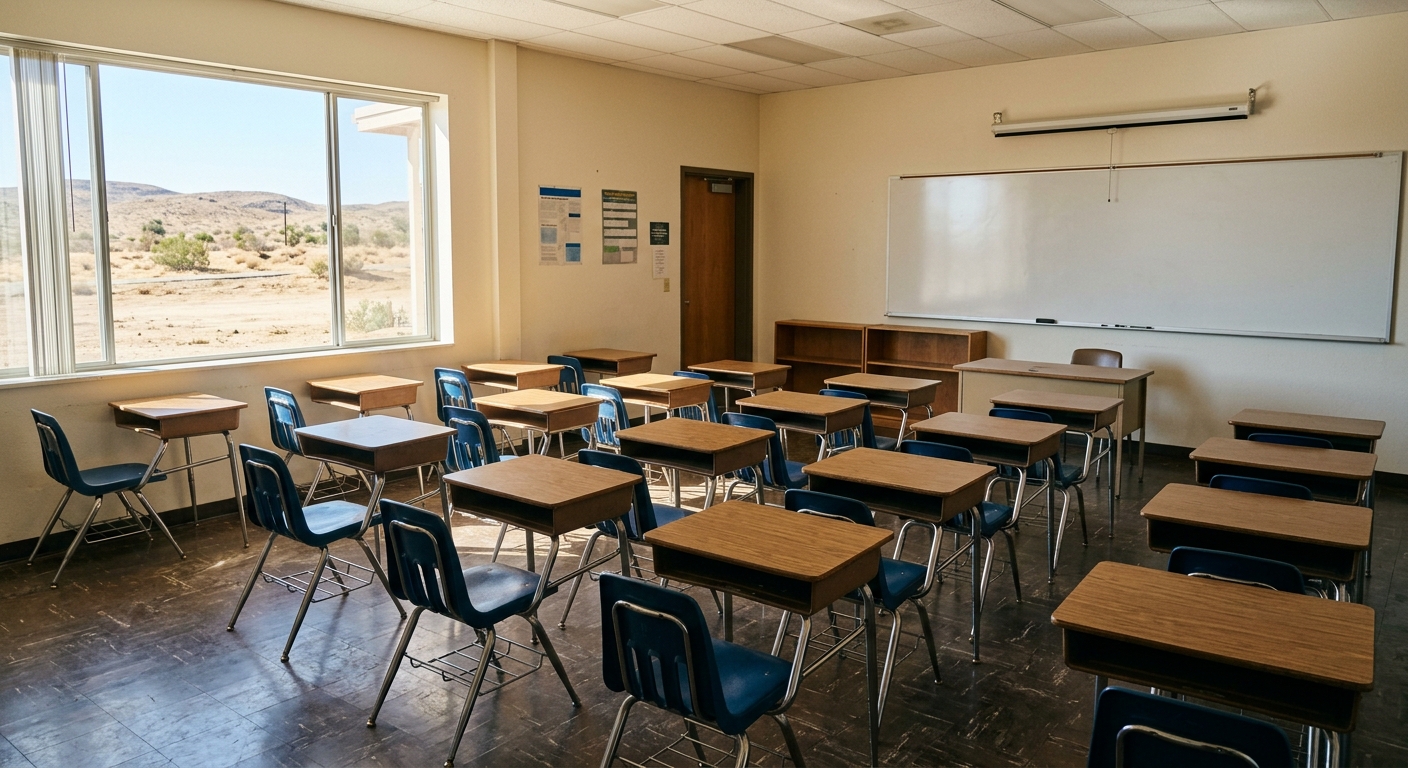
AI-generated illustration; not a photograph of the reported event.
- calendar_today September 18, 2026
Arizona— The proposed measure known as prop 320 is at the center of heated discussions across Arizona, aiming to require school districts to dedicate at least 60% of their operational spending directly to classroom needs. If enacted, the policy would significantly reshape school funding strategies and the resource landscape for Arizona schools.
Prop 320’s Central Mission
Prop 320’s core objective is ensuring a greater share of funds reaches classrooms, placing classroom needs ahead of other operational priorities. Advocates believe this approach would elevate academic achievement by channeling resources toward instruction and critical materials. The initiative emerges amid ongoing debates about how best to drive educational progress for students statewide.
Impact on Operational Spending and District Flexibility
The measure specifically mandates that 60% of operational spending in qualifying districts be reserved for classroom use. This directive includes teacher salaries, classroom materials, and curriculum enhancements. However, critics of the proposition caution that such strict funding allocation could restrict districts’ ability to address other essential needs, such as facility maintenance and support services that also underpin effective learning environments.
Balancing Academic Goals With Financial Constraints
Arizona’s diverse school districts operate within varying financial realities. Some officials welcome the stricter guidelines, contending they will protect core instructional spending against cuts. Others warn that a prescriptive approach to education funding may force tough choices, potentially impacting programs like counseling, transportation, and extracurricular activities. The debate thus spotlights the ongoing challenge of balancing robust direct classroom investment against the need for holistic educational support.
School Safety and Policy Implications
In addition to its focus on student achievement, prop 320’s supporters argue the measure will advance school safety by ensuring base-level staffing for essential classroom functions. Nevertheless, some education leaders express concern that less flexibility in district budgets might complicate schools’ responses to emerging safety needs or changing local circumstances. How districts adapt to such shifts under the law, if approved, will be closely watched by parents and policymakers alike.
Broader Conversations in Arizona Education
The fate of prop 320 may set important precedents for education policy in Arizona. Local education authorities, advocacy groups, and community stakeholders are all weighing in, underlining the measure’s potential ripple effects beyond finances. Across Arizona, families are considering how the proposal could influence the quality of classroom experiences and the resources available to students.
Looking Ahead for Arizona Schools
As debate continues statewide, the outcome on prop 320 will likely guide future school funding discussions and allocations. The measure challenges lawmakers, educators, and the public to re-examine priorities and delivery methods for supporting Arizona schools into the next decade. With strong opinions on both sides, Arizona’s decision on prop 320 may shape not only immediate fiscal practices but also the long-term trajectory of student learning and community trust in local education systems.