- calendar_today August 26, 2026
Arizona— As the new school year unfolds, childhood homelessness has emerged as a pressing concern for the region, with more than 25,000 children across Arizona experiencing severe housing instability. The challenge extends beyond mere statistics, revealing deep-rooted issues within the state’s social support structures and drawing urgent attention from policymakers and community organizations alike.
The Hidden Faces of Homeless Children in Arizona
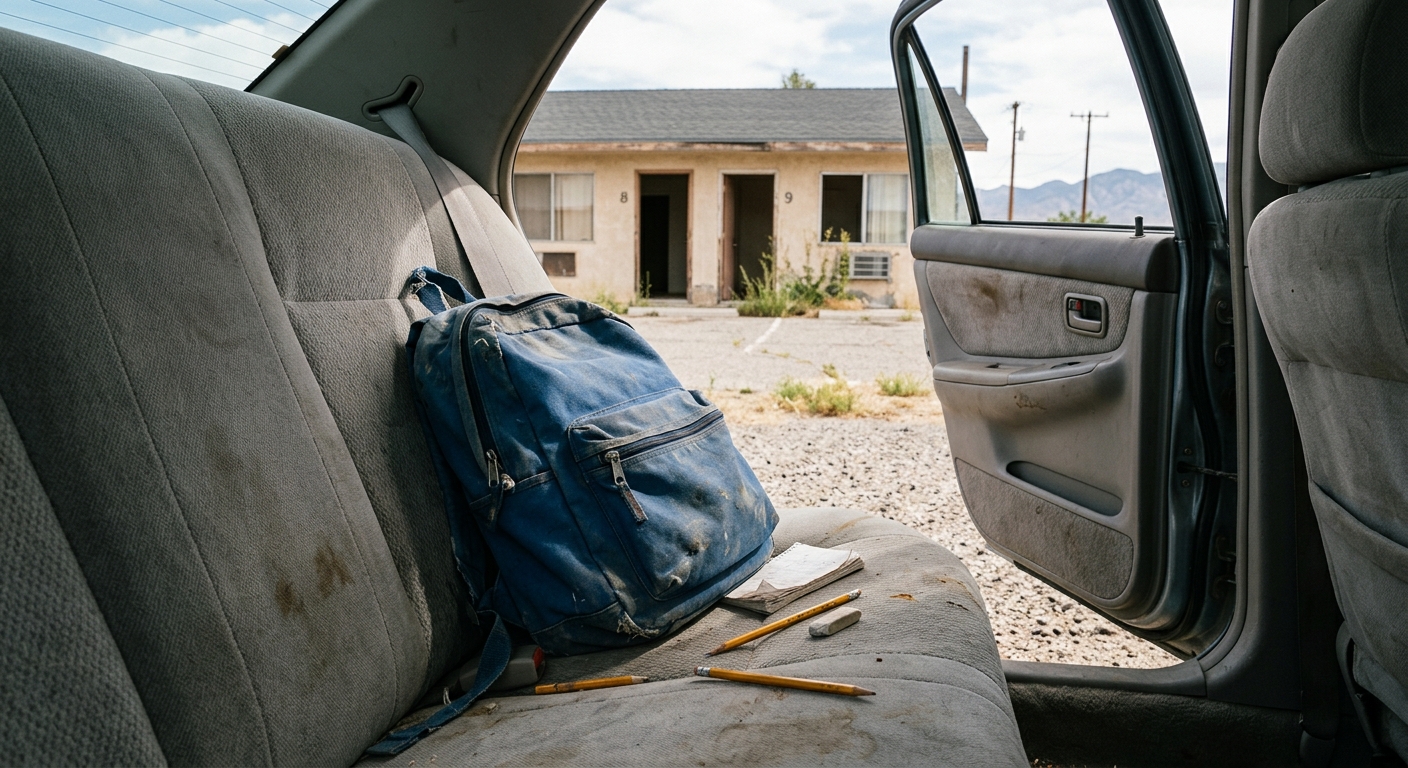
Contrary to widespread perceptions, most homeless children in Arizona are not visible on the streets. Instead, many live in precarious environments, staying in motels, cars, or doubling up with relatives, often eluding the public eye. This reality underscores the unique nature of childhood homelessness, which frequently goes unrecognized and unaddressed within regional and national frameworks.
Disparities in Homelessness Data Collection
The federally mandated Point in Time Count conducted in 2025 identified only 2,921 homeless youths statewide on a single night. In stark contrast, McKinney-Vento data from Arizona schools documented nearly 27,000 homeless students throughout the same year. This discrepancy exposes the limitations of traditional metrics, suggesting that many homeless children—particularly those experiencing housing instability—remain invisible in the system. As a consequence, the true scope of arizona homelessness is often underestimated, affecting both policymaking and the allocation of vital resources.
Impact on Youngest and Most Vulnerable
Alarmingly, homelessness among infants and toddlers is rising across Arizona, with estimates indicating that approximately 5,700 children under the age of five currently experience these conditions. Advocates point to the long-term developmental and educational risks faced by this cohort, emphasizing that early intervention is critical to breaking the cycle of poverty and homelessness prevention.
The Role of Supportive Organizations
Organizations like A New Leaf have been pivotal in providing much-needed homelessness services, family shelter, and rapid rehousing solutions for affected families. These groups work closely with schools and local agencies, striving to bridge the gap between reported statistics and on-the-ground realities. According to service providers, the lack of robust public understanding about the nature of childhood homelessness leads to fewer resources for prevention and support.
Integrating School Data into Policy Responses
Advocates recommend that Arizona lawmakers and agencies actively integrate school homelessness data into funding and planning decisions. Many experts argue that leveraging information provided through McKinney-Vento programs allows authorities to identify at-risk students more effectively and deliver timely interventions. Given schools’ unique access to vulnerable youth, they are well-positioned to serve as early-warning systems—offering families a lifeline before crises deepen.
Ensuring Housing Stability for Arizona’s Future
The intersection of education, housing, and public health is particularly salient in Arizona, where housing instability can undermine a student’s academic success and emotional well-being. Community leaders and educators urge a comprehensive approach, combining enhanced homelessness services, expanded family shelter options, and targeted rapid rehousing initiatives. Such measures, they contend, are vital for the state’s long-term prosperity, directly impacting future workforce readiness and community resilience.
Looking Ahead: Closing Arizona’s Data Gaps
Efforts continue across Arizona to align policy with the lived experiences of homeless children and their families. Only by recognizing the true scale of childhood homelessness—and responding with evidence-driven action—can the state safeguard the future of its youngest residents and ensure equal opportunity for all.