- calendar_today July 21, 2026
As Arizona gears up for its primary election, voters across the state are navigating updated procedures and expanded options for casting their ballots. With polling locations open from 6 a.m. to 7 p.m. on Election Day, the process for participating in Arizona primary voting has been designed to improve access and efficiency for residents in all communities.
Expanded Polling Options Across Arizona
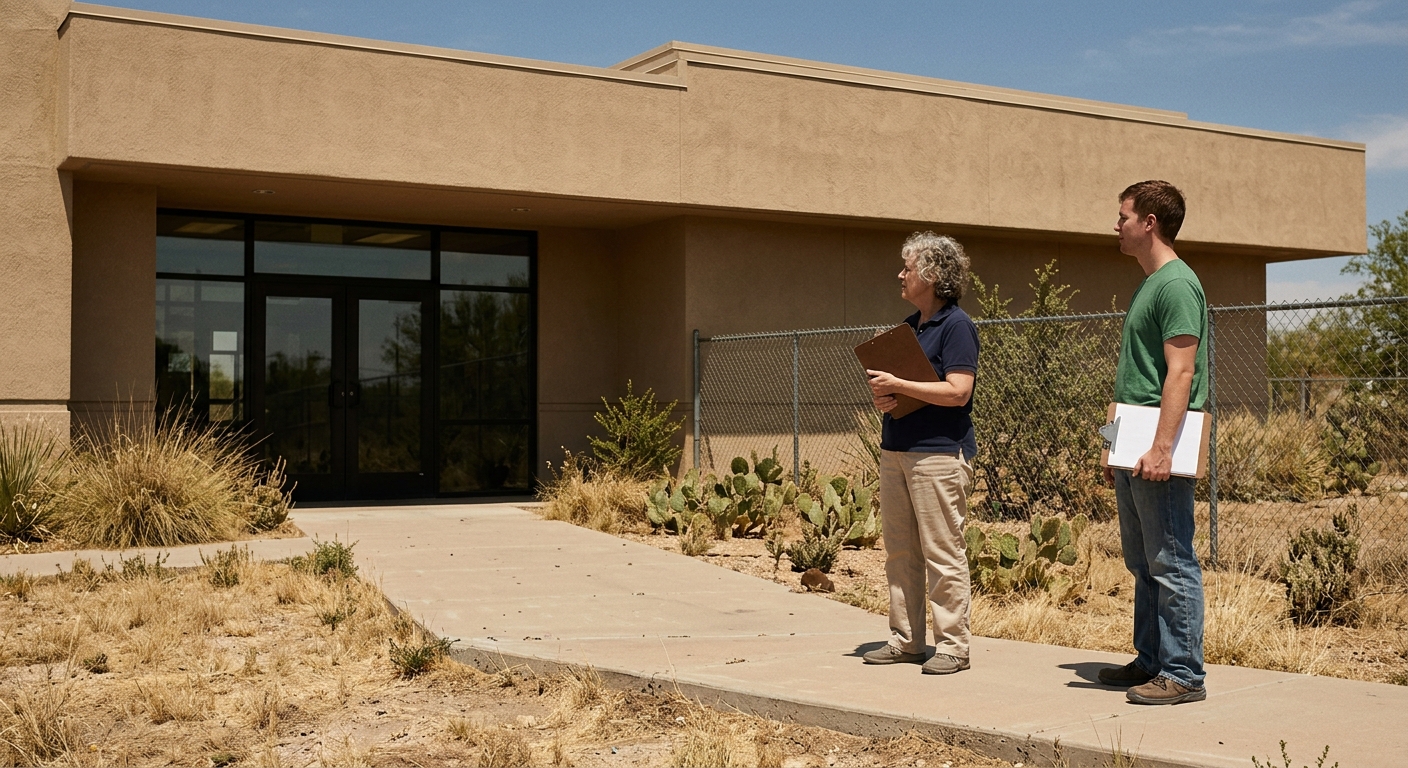
Counties throughout Arizona are utilizing vote centers, allowing eligible residents to cast their ballot at any approved location within their county rather than a single designated precinct. This approach aims to reduce confusion and make voting in Arizona more convenient, especially for those balancing work or family commitments on Election Day.
Understanding Arizona Voter ID Requirements
To participate in the primary election in Arizona, voters are required to present acceptable identification. The most common forms include a current Arizona driver’s license, an Arizona MVD-issued ID card, or a tribal enrollment card. Other government-issued photo IDs are also accepted. For those without photo identification, Arizona election laws permit the submission of two documents showing the voter’s name and address, such as utility bills or bank statements. The state’s commitment to accessible voting is balanced with strict voter identification standards to ensure election integrity.
Early Ballot Return: What Voters Need to Know
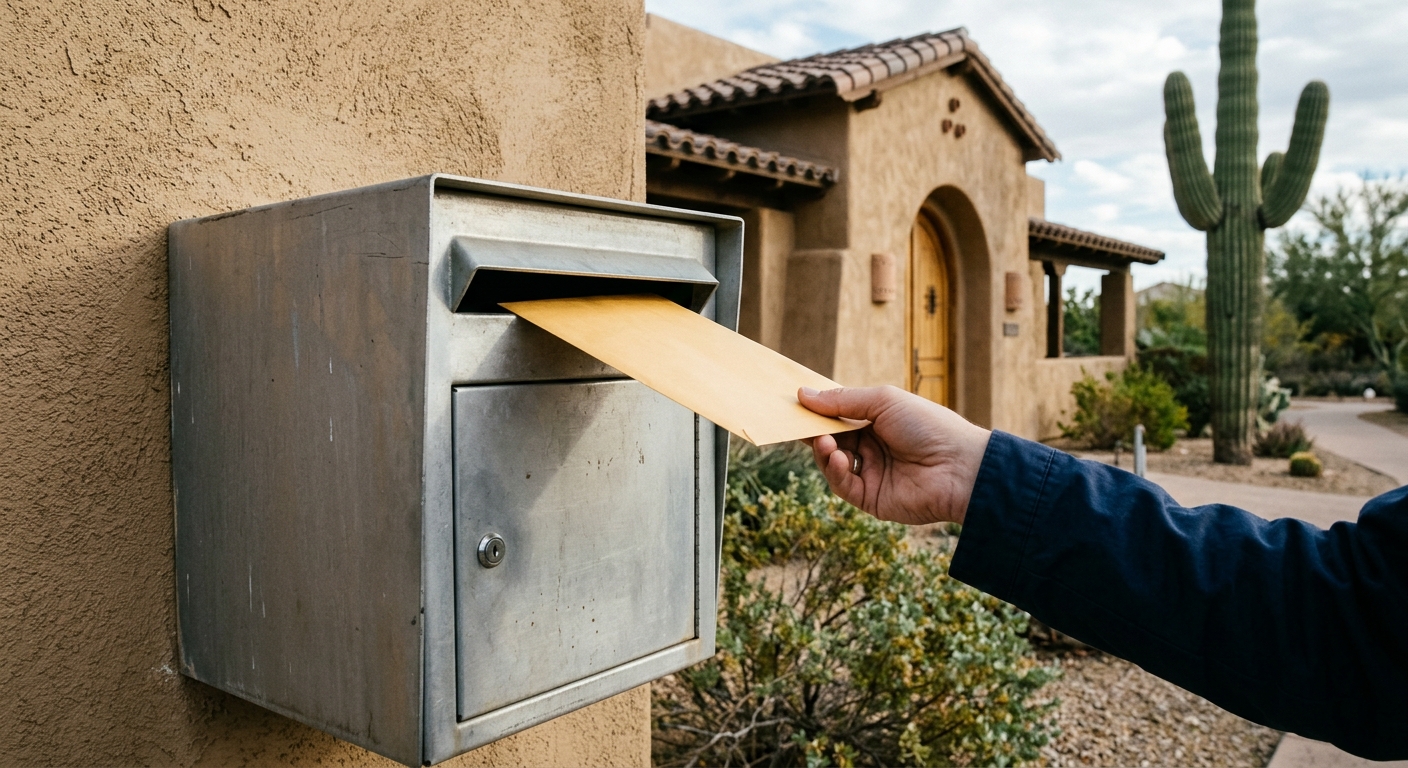
Early ballot return remains a vital option, offering flexibility to Arizona residents unable to vote on Election Day. Voters who have received early ballots can sign the envelope and drop them off at any vote center or county drop box. However, officials advise against mailing early ballots on Election Day, as delays and signature verification requirements may cause ballots to be counted late. The new primary election Arizona rules emphasize timely drop-off to maximize ballot inclusion in election night results.
Improving the Signature Verification and Ballot Curing Process
In response to previous delays, Arizona has enhanced the signature verification process. Voters can now proactively verify their identity in person at vote centers, expediting the validation of early ballots. If a mismatch is detected, the ballot curing process allows voters to rectify signature discrepancies—helping to ensure every legitimate vote is counted. These changes, advocated by local election officials, reflect a steady evolution in Arizona election laws to improve accuracy and voter confidence.
Voting Requirements and Ballot Collection Rules
Arizona imposes specific voting requirements to safeguard the election process. Generally, it is illegal for anyone to submit a ballot on behalf of another individual. Exceptions exist for family members, household residents, or caregivers, who may return a limited number of ballots under defined circumstances. These measures are outlined clearly in arizona election laws and are designed to balance ballot access with the prevention of fraud.
Key Takeaways for Arizona Voters
With the primary election Arizona approaching, officials encourage voters to participate in person when possible. This method ensures that ballots are processed rapidly, reducing delays associated with signature verification and possible ballot curing. Arizona’s diverse communities, from Phoenix to Tucson and smaller towns, benefit from the state’s continued improvements in voting infrastructure, including expanded polling locations Arizona residents can access on Election Day.
- Polling stations operate 6 a.m. to 7 p.m. across Arizona.
- Vote centers provide flexibility in where ballots may be cast.
- Acceptable ID includes Arizona driver’s licenses and other approved documents.
- Early ballot return options are available, but drop-off rather than mailing is recommended on Election Day.
- Signature verification and the ballot curing process have been enhanced to facilitate accurate, timely vote counts.
The process of arizona primary voting continues to evolve, balancing accessibility and security. Voters are encouraged to review current arizona election laws and requirements before heading to the polls or returning early ballots, ensuring their voices are counted in this pivotal primary election.