- calendar_today July 11, 2026
PHOENIX, Arizona – Arizona affordability emerged as a top agenda item during the 2026 legislative session, as state lawmakers from both sides of the aisle united to champion tax reforms aimed at easing financial pressures on residents across the region.
Focus on Tax Cuts for the Middle Class
In one of the most closely watched initiatives this session, legislators advanced broad tax cuts to support Arizona’s middle class families. By aligning state policy with federal tax law conformity for 2025, Arizona leaders have sought to simplify the filing process and offer direct financial breathing room for everyday taxpayers.
Key Tax Policy Changes
Among the most impactful changes are increased standard deductions and new exemptions on income taxes for overtime pay and tips—provisions expected to put more money in the pockets of working Arizonans. The reforms also include additional deductions designed specifically for seniors. These changes, projected to reduce state revenue by $1.5 billion over three years, reflect the legislature’s response to the rising cost of living that has affected urban and rural communities alike.
Housing Prices Escalate Despite Financial Relief
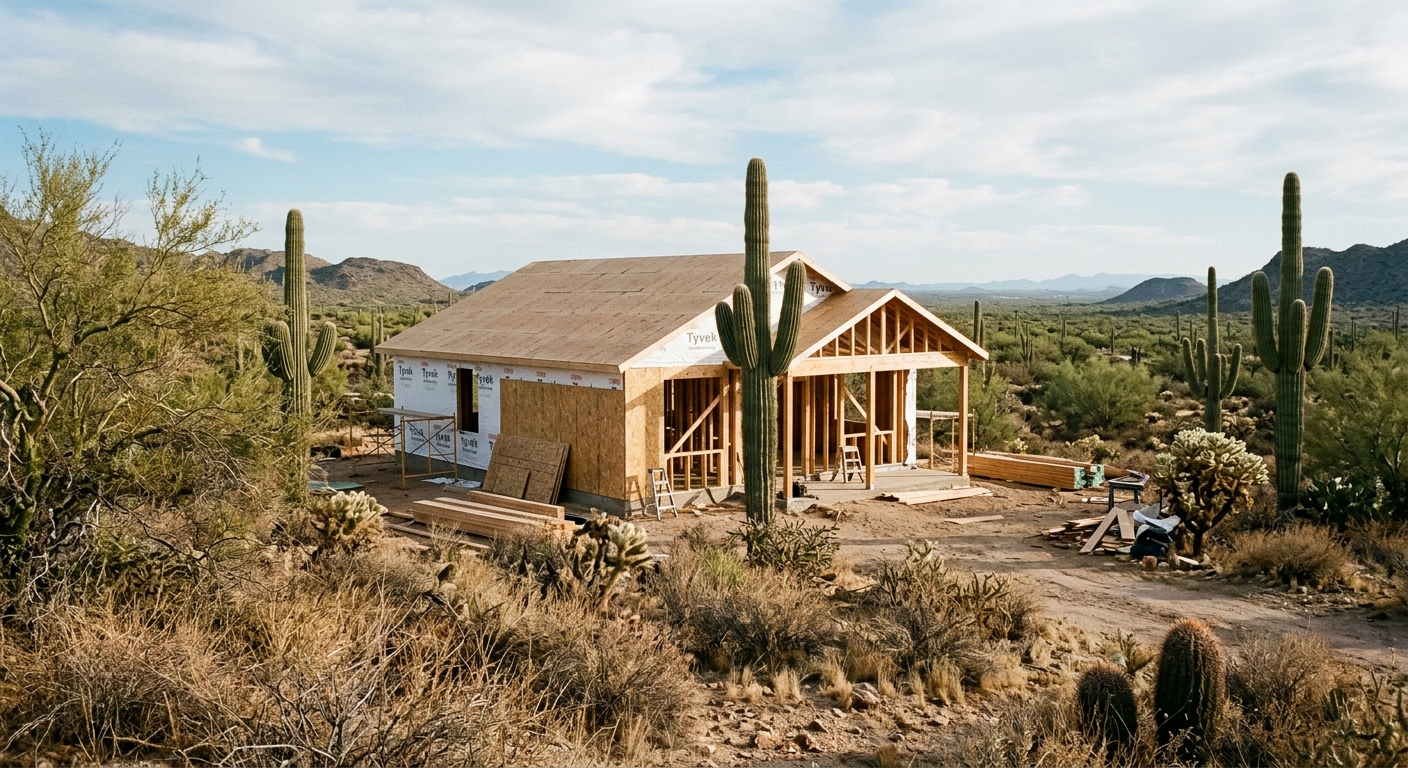
However, many residents remain concerned that tax relief alone will not resolve the broader issue of affordability. Housing prices have continued to climb across Arizona, with the average home price jumping from about $250,000 in 2018 to over $400,000 by 2026. Economists attribute this sharp increase to a persistent housing supply shortage, a challenge that has persisted for more than a decade and intensified the affordability crisis statewide.
Legislative Actions on Housing Supply
Recent efforts within the legislative session aimed to tackle barriers to housing construction. Lawmakers debated measures to relax zoning and regulatory hurdles, but progress has been tempered by concerns over community impacts and infrastructure needs. One significant development came with the passage of HB2999, which enables the creation of infrastructure districts to help finance roads, utilities, and other essentials for new housing developments. Advocates believe this law represents a step forward in expanding supply, even as larger regulatory issues linger.
Experts Say More Is Needed
Local economists and housing advocates continue to emphasize that, although the new tax structure and policy changes offer some temporary relief, only comprehensive solutions that address the fundamental mismatch between housing demand and supply will deliver meaningful progress. They point out that while reforms such as tax cuts and infrastructure support can mitigate certain financial pressures, they must be matched by bold action to increase available homes and reduce the regulatory burden on builders.
Looking Ahead for Arizona
As Arizona affordability remains top of mind for policymakers and residents alike, the region’s success in balancing tax relief, modernizing tax law conformity, and incentivizing development will shape the economic outlook well beyond 2026. Many Arizonans hope that continued attention to housing supply and cost drivers will eventually stabilize housing prices and ensure healthy growth for local communities. For now, affordability efforts are viewed as a work in progress, with the recent legislative session representing both momentum and a call for future innovation.