- calendar_today June 8, 2026
Communities across Arizona are increasingly concerned about high potency cannabis and its impact on public health, particularly among adolescents and young adults. As legal cannabis becomes more widespread, questions are being raised about how to protect vulnerable populations from mental health risks associated with powerful cannabis products.
The Rise of High Potency Cannabis in Arizona
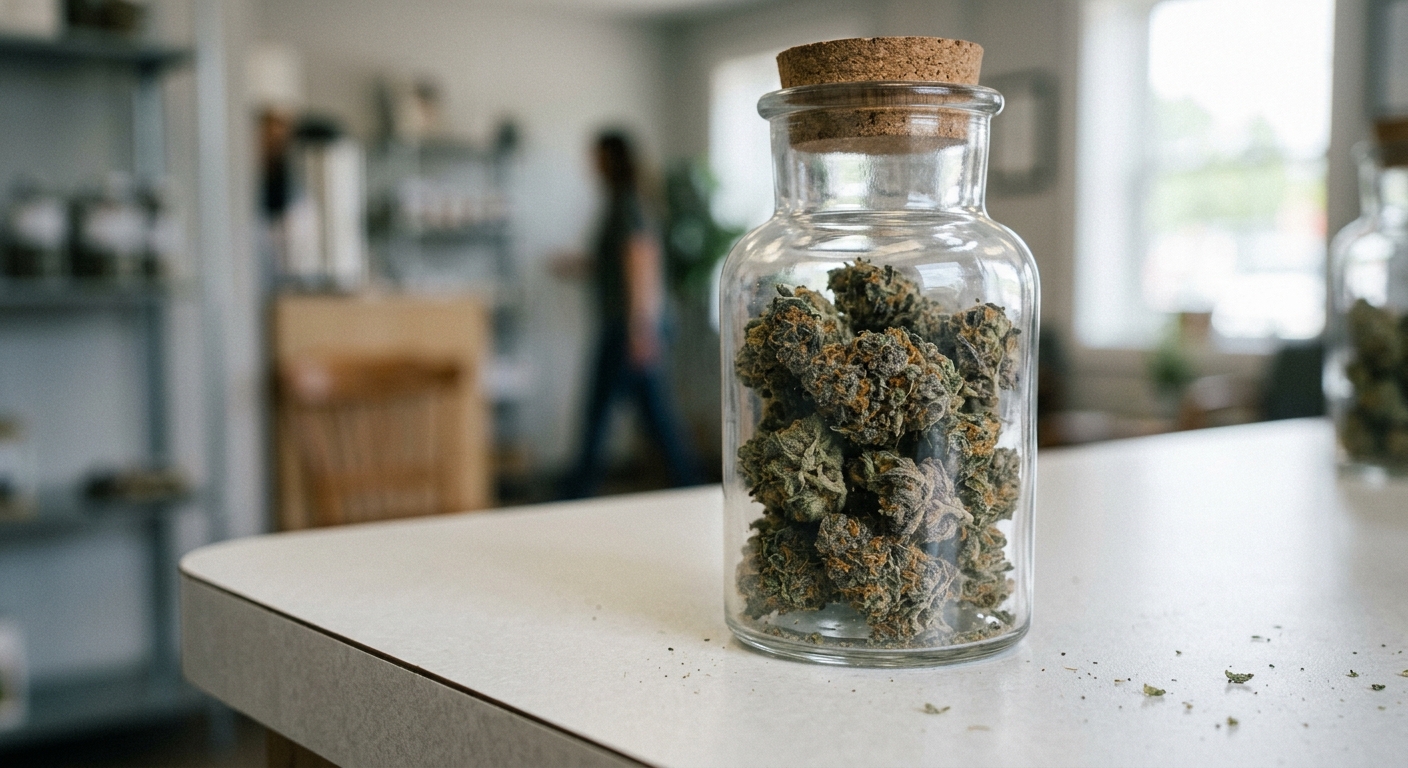
The potency of legal cannabis products available in Arizona has grown dramatically in recent years. While traditional cannabis flower was once around 5% THC, many products now boast 15% to 20% THC in flower and up to 80% in concentrated forms. This surge in strength has amplified worries in Arizona communities about potential negative outcomes, especially for those with mental health predispositions.
Mental Health Risks for Adolescents and Young Adults
Research demonstrates a clear link between frequent use of high potency cannabis and increased risks of mental health conditions. Adolescents and young adults face heightened dangers, with evidence tying regular consumption to psychosis and cannabis-induced episodes, bipolar disorders, and long-term psychological challenges. Stories from Arizona families, including those who have witnessed loved ones struggle with cannabis use disorder, illustrate the urgent need for action.
THC Potency Caps and Ongoing Legal Debates
As these risks become more apparent, Arizona policymakers are debating possible THC potency caps to limit the strength of retail cannabis products. Such proposals are part of broader cannabis legislation discussions, mirroring similar movements nationwide. However, the issue is divisive; while some health advocates push for stricter cannabis regulation, others warn that onerous limits could fuel illicit markets rather than improve cannabis public health outcomes.
Challenges in Regulation and Industry Resistance
Efforts to enact THC potency caps often meet cannabis industry opposition, with some businesses arguing that adult consumers deserve freedom of choice, and that regulation, not prohibition, is the best path. Meanwhile, regulators in Arizona struggle to keep pace with evolving products and inconsistent federal guidance. Experts emphasize the need for standardized testing of cannabis products and better enforcement of existing laws, aiming to reduce incidents of cannabis addiction treatment and improve responsible use.
Balancing Consumer Choice and Public Health
Striking a balance between the therapeutic potential of cannabis and the real threats posed by high THC products is central to Arizona’s approach. Advocates for adolescents urge stronger educational campaigns around adolescent cannabis use, aiming to prevent early exposure to potent cannabis and avoid the cycle of dependence. Initiatives focused on cannabis public health have gained traction in local communities, collaborating with healthcare professionals, parents, and schools.
Expert Perspectives and Looking Forward
Arizona health experts caution that more comprehensive research and vigilant monitoring are essential. They stress the importance of acknowledging the link between psychosis and cannabis, especially for young and at-risk users. As public dialogue continues, there is growing consensus that both regulation and education—rather than strict prohibition—offer the most effective means to address mental health risks and safeguard the well-being of Arizona residents.
With the cannabis landscape rapidly evolving, Arizona’s response to high potency cannabis will have lasting implications for its youth, families, and broader public health goals. Ongoing collaboration between legislators, healthcare leaders, educators, and community members will determine how the state navigates this complex issue in the years to come.