- calendar_today August 17, 2025
President Donald Trump was due to speak about a new EU trade deal. But instead, he aimed renewables.
Trump has a history of casting doubt on wind energy. In his latest tirade, which he launched during a press conference on a different subject, the former US president said turbines are a “con job”, drive whales “loco”, kill birds, and are worse than terrorism. For critics of Trump’s energy policy, the spectacle was a reminder of how bizarre some of his pronouncements can be. But beneath the soundbites and dramatic gestures, Trump’s comments were neither new nor uniquely American.
Anti-wind conspiracies are widespread, well-documented, and old. They are also hard to debunk.
The rise of anti-wind conspiracy theories
Wind turbines are often called “windmills” by Trump, and that is becoming shorthand among the climate denial crowd.
Past examples of similar moral panics include 19th-century warnings that telephones could spread syphilis and polio. The real similarities, though, are less about technologies or industries. Instead, they have to do with how the status quo is challenged, and how both communities and individuals can react to rapid social and cultural change.
Why are renewables opposed?
New research suggests anti-wind opposition is about far more than climate change. For some people, concerns about wind farms or solar projects are symptoms of a worldview that can be hard to reach or change with scientific facts or objective evidence.
A large body of research has examined why some people are sceptical about climate change or even supportive of coal and other fossil fuels. But much less is known about why people actively oppose the clean energy transition and renewables, or what motivates that support.
Anti-wind energy conspiracies
When it comes to conspiratorial thinking about renewables, there’s a long history of pseudoscience and misinformation surrounding wind, solar, and hydroelectric power.
When climate scientists began warning about the impacts of carbon dioxide in the 1950s, early calls for renewable energy targeted emissions from fossil fuel companies. The nuclear industry, for example, launched a campaign claiming people had nothing to fear from wind or solar power. In a famous episode from The Simpsons, a tycoon called Mr Burns builds a tower to block the sun and then sells people on his nuclear power to meet their energy needs. This was satire, but the threat of renewable energy adoption being actively hindered by vested interests was a real one.
The political strategy was real, too, and fears about it weren’t misplaced. In 2004, then–Australian Prime Minister John Howard brought fossil fuel executives together in a group called the Low Emissions Technology Advisory Group. The group’s aim was not to promote rapid decarbonization but to develop strategies for protecting coal, oil, and gas against “wind farms” and other renewable technologies.
Studies show how renewable misinformation takes hold
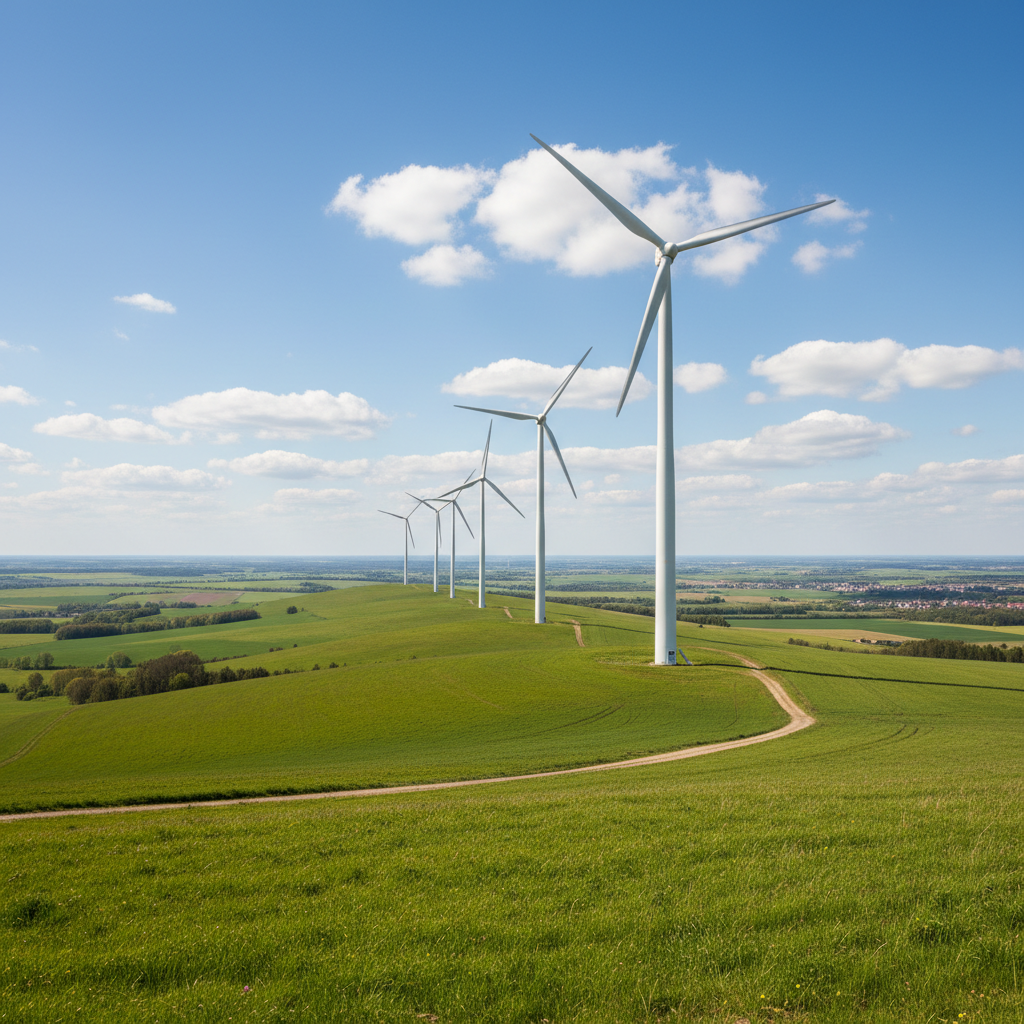
Public perception of wind energy is one of the most visible and accessible barriers to renewable adoption. Large power plants are often hidden behind fences and buffers; coal mines, oil and gas fields, and nuclear reactors take up space that’s off limits to most people. By contrast, wind farms sit on hilltops, beside roads, or in the middle of open plains and valleys. That makes wind turbines both easy targets for critics and a useful scapegoat for fear-mongers and conspiracy theorists.
There are many such myths. “Wind turbine syndrome,” a purported illness that can cause health problems or psychological harm, is a “non-disease” according to doctors and research studies. It’s been around for years, despite little evidence to support it.
A systematic review by academics found that demographic factors like age, gender, education, and political affiliation were no better predictors of anti-wind sentiment than, say, the colour of your socks. Instead, the researchers found, conspiracy thinking—belief in unproven theories and narratives—was a much stronger factor. “The most powerful determinants of the intention to oppose wind farms in the community are not demographic factors, but beliefs,” their research paper concluded.
Anti-wind misinformation is often about more than wind
The study was led by Kevin Winter, who has since developed that research into several other surveys of public opinion on wind energy. In surveys across the U.S., U.K., and Australia, Winter and colleagues have found that belief in various conspiracy theories and climate skepticism, from “climate change is a hoax” to “government agencies control our weather” and “the media exaggerate negative environmental impacts to increase profits,” are significantly correlated with anti-wind sentiments.
Wind farms, in other words, are symbols for a set of cultural and political anxieties. They appear to stand for both the problem and solution to issues like government control, energy independence, and climate change. For many people, it’s easier to imagine that turbines are poisoning groundwater or causing mass blackouts than that their preconceptions are wrong. Those preconceptions are baked into a person’s worldview. And once a worldview is in place, confronting one piece of evidence or argument will not move the needle.
Wind farms make great targets because of their visibility and the scale of their development. To supporters, wind turbines are modern, green, efficient, and evidence of climate action. To opponents, they are large, unattractive, expensive, and symbols of a government out of control.