- calendar_today August 31, 2025
It Was a Dance Made of Light—and It Landed Right Here
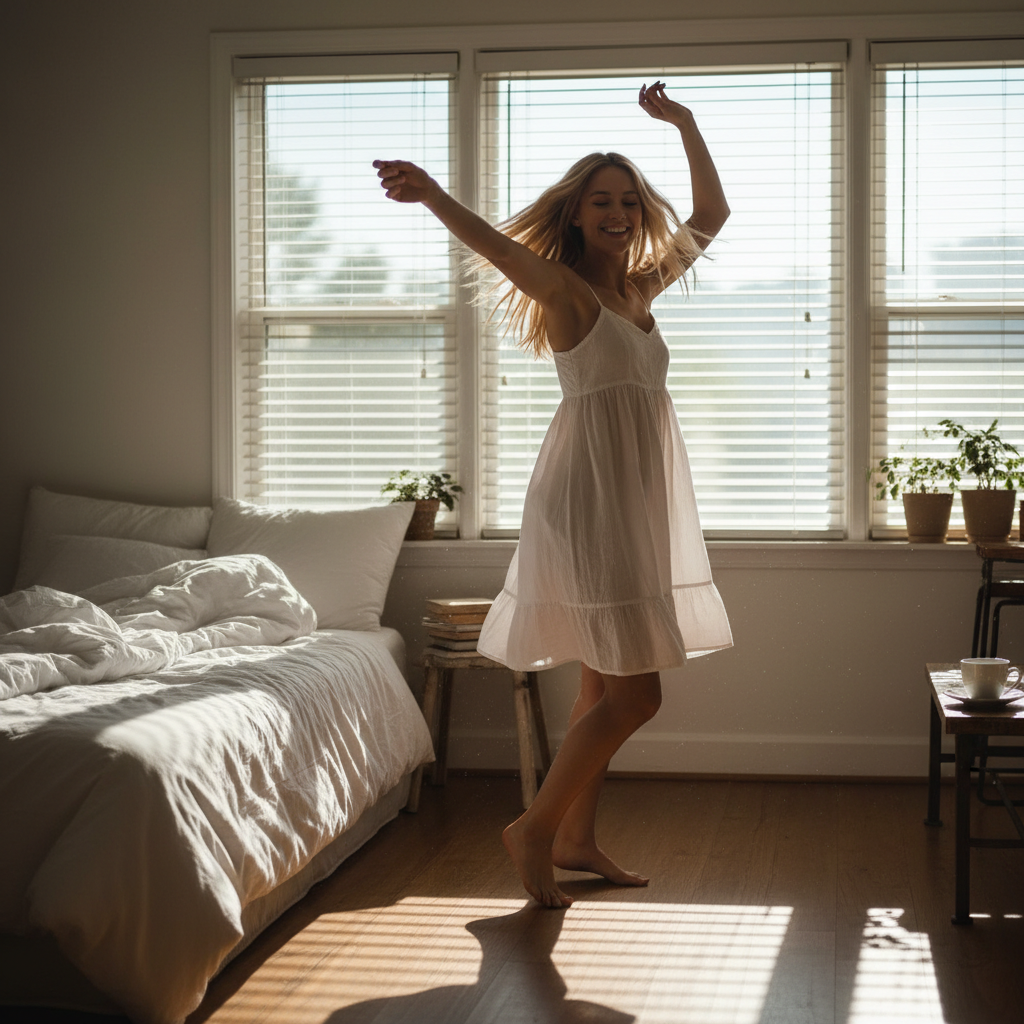
You ever see something online and just feel it? That was Kelley Heyer’s Apple dance. It was upbeat and playful but had that subtle confidence too—like someone dancing around their Tempe bedroom with the blinds wide open and the sun pouring in. It wasn’t choreographed to perfection or dripping in filters. It was real. It was human.
And it went viral fast. Not because of flashy edits or gimmicks, but because it had soul. You could almost hear your cousin in Tucson or your neighbor in Mesa humming the beat while doing those same moves in the kitchen.
That’s what made it special—it felt like us.
And Then Someone Cashed In Without Saying Her Name
So here’s where things go sideways. While Kelley was still in conversations with Roblox—yep, that Roblox—to license her Apple dance, they jumped ahead and added it to their game Dress to Impress. Not later. Not after a deal. Before.
Just like that, her dance became a $1.25 emote, sold to players all over the world. And she didn’t approve it. She didn’t sign anything. She didn’t get paid.
They took something she made for joy and monetized it.
And it wasn’t just a little money either:
- 60,000+ emotes sold
- Roblox reportedly made over $123,000
- Kelley had no signed deal
- The emote was taken down in November 2024, but not before the profits were made
- Kelley had already licensed the dance to Fortnite and Netflix properly
She did everything right. But someone with more power decided to skip the hard part and take what wasn’t theirs.
In Arizona, That Doesn’t Sit Right
We’ve got a strong creative streak out here. Whether it’s muralists in downtown Phoenix, indie bands in Flagstaff, or teens filming dance videos in the glow of a Scottsdale sunset—we know what it means to make something out of nothing.
We also know what it feels like when bigger forces come along and act like that something you made was always theirs to begin with.
Out here, credit matters. Effort matters. Respect matters.
Roblox Responded Like a Corporation—Not Like a Creator
Their statement? A dry: “We respect intellectual property rights and feel confident in our legal position.”
Okay… but what about respecting people? What about acknowledging the person behind the moves? Behind the spark?
Because here, we don’t hide behind policies. If you mess up, you make it right. It’s not about being perfect—it’s about showing up with decency.
This Fight Isn’t Just About a Dance
Kelley’s story isn’t rare. That’s the worst part. So many creators—especially young ones, especially those without lawyers on speed dial—see their work lifted and reused without a second thought.
Her lawsuit? It’s about more than money. It’s about drawing a line in the desert sand and saying, Not this time.
It’s a reminder to every Arizona kid recording dances in the backyard, every artist sketching under a saguaros’ shade, that your work deserves to be protected. Even if it’s small. Even if it’s joyful. Even if it’s free.
We Don’t Forget the Ones Who Start the Spark
Arizona doesn’t always get the credit it deserves on the creative map. But we see each other. And when someone tries to erase one of our own? Yeah, we feel that.
Kelley didn’t just post a dance. She gave the world a moment of light. And now she’s asking—loud, proud, and with heart—to be remembered for it.
And honestly? That’s something every creator from Tucson to Prescott can get behind.