- calendar_today April 23, 2026
Arizona’s ongoing debate over arizona water restrictions intensified in April 2026, following a pivotal legal decision impacting future residential growth in the region. A Maricopa County Superior Court judge ruled that recent water usage limits imposed in the Phoenix metro area were implemented illegally, sending ripples through both regulatory agencies and the development sector.
Legal Setback for Department of Water Resources
The controversial ruling centered on the Arizona Department of Water Resources (ADWR) and its 2023 policy that restricted housing projects dependent on groundwater. Judge’s findings concluded that ADWR failed to comply with the formal state rulemaking process when revising its evaluation standards for groundwater availability. The court determined the department’s actions lacked legal transparency and public input, essential under Arizona procedural law.
Housing Development Approvals on Hold
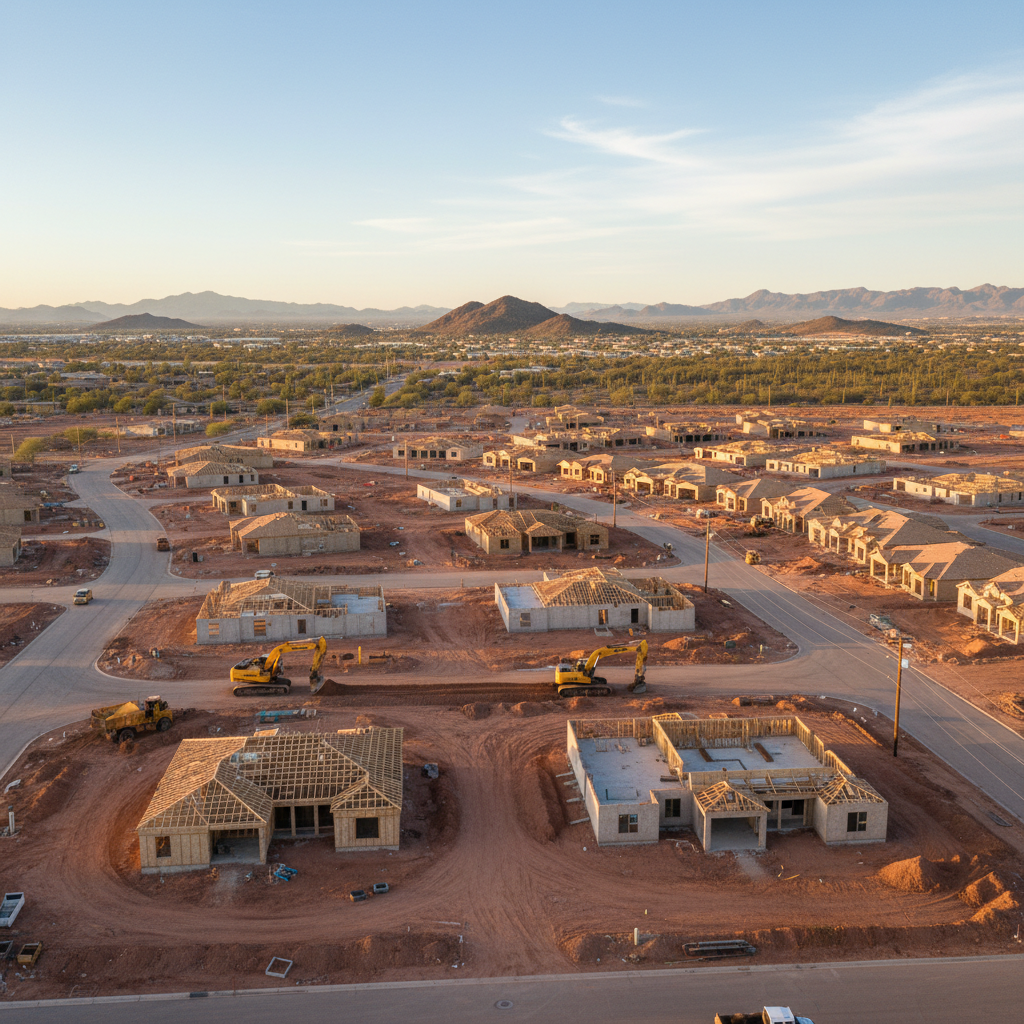
This policy led to a halt in approvals for thousands of proposed homes across the phoenix metro area, where rapid population growth has heightened water supply concerns. The policy was tied to ADWR’s claim of a near 5 million acre-foot groundwater deficit. By bypassing formal procedures, the department’s attempt to address critical groundwater challenges inadvertently created uncertainty for the building sector and local stakeholders.
Role of Home Builders and Legal Advocacy
The decision comes after significant advocacy from the Home Builders Association of Central Arizona and the Goldwater Institute. Both groups challenged ADWR’s unilateral actions, arguing that the agency’s approach jeopardized lawful growth and housing development opportunities across Maricopa County. The judge sided with the plaintiffs, noting the necessity for adherence to statutory requirements, especially under the 1980 Groundwater Management Act.
Implications for the Phoenix Metro Area
With the judge’s legal ruling, the future of large-scale suburban expansion in Arizona remains uncertain. Thousands of potential home sites in the region are now poised to proceed if the ruling stands, but the ongoing balance between resource conservation and urban growth looms large. Regional planning agencies, municipal governments, and developers are watching closely, as decisions about housing development navigate between the reliability of water resources and regulatory frameworks.
Department of Water Resources Responds
In the aftermath of the verdict, the department of water resources announced intent to file a water restrictions appeal. However, legal specialists involved in the case suggest the agency faces significant challenges, given the court’s emphasis on procedural lapses. The decision brings added scrutiny to water management processes and underscores the need for transparent policymaking, particularly as Arizona contends with mounting demand and ongoing drought conditions.
Groundwater Regulation and Community Impact
The long-term significance of this case extends to communities across Arizona, as many rely heavily on sustainable groundwater. The judgment underlines the importance of lawful, inclusive dialogue when crafting water policy. As Maricopa County deals with further water supply concerns, regional leaders are tasked with finding practical solutions that secure growth while safeguarding finite water reserves.
Whether ADWR’s appeal is ultimately successful or not, the issue of arizona water restrictions will remain at the core of Arizona’s statewide conversation, influencing how future policymaking responds to the dual demands of development and resource stewardship.