- calendar_today September 1, 2025
Amazon.com Inc. (NASDAQ: AMZN) saw its stock close at $146.82, up 2.3 percent and outpacing the NASDAQ Composite. For Arizona, the gains mirror the company’s expanding influence in the state’s economy and its role in Amazon’s broader U.S. strategy.
Phoenix has emerged as a strategic hub for Amazon’s southwestern operations, hosting multiple fulfillment centers, delivery stations, and last-mile hubs. These facilities not only serve Arizona’s fast-growing population but also connect to markets across California, Nevada, New Mexico, and Texas through Interstate 10 and other critical freight routes.
Amazon’s Arizona warehouses are among the most automated in the country, incorporating AI-powered robotics systems to streamline inventory management, order picking, and packaging.
In 2024, the company piloted a new AI-driven safety monitoring system at its Goodyear fulfillment center, using machine learning to predict and prevent potential workplace hazards. Similar AI logistics algorithms optimize truck loading at the Tucson distribution hub, reducing delivery times and fuel use.
AWS Expansion in the Phoenix Metro
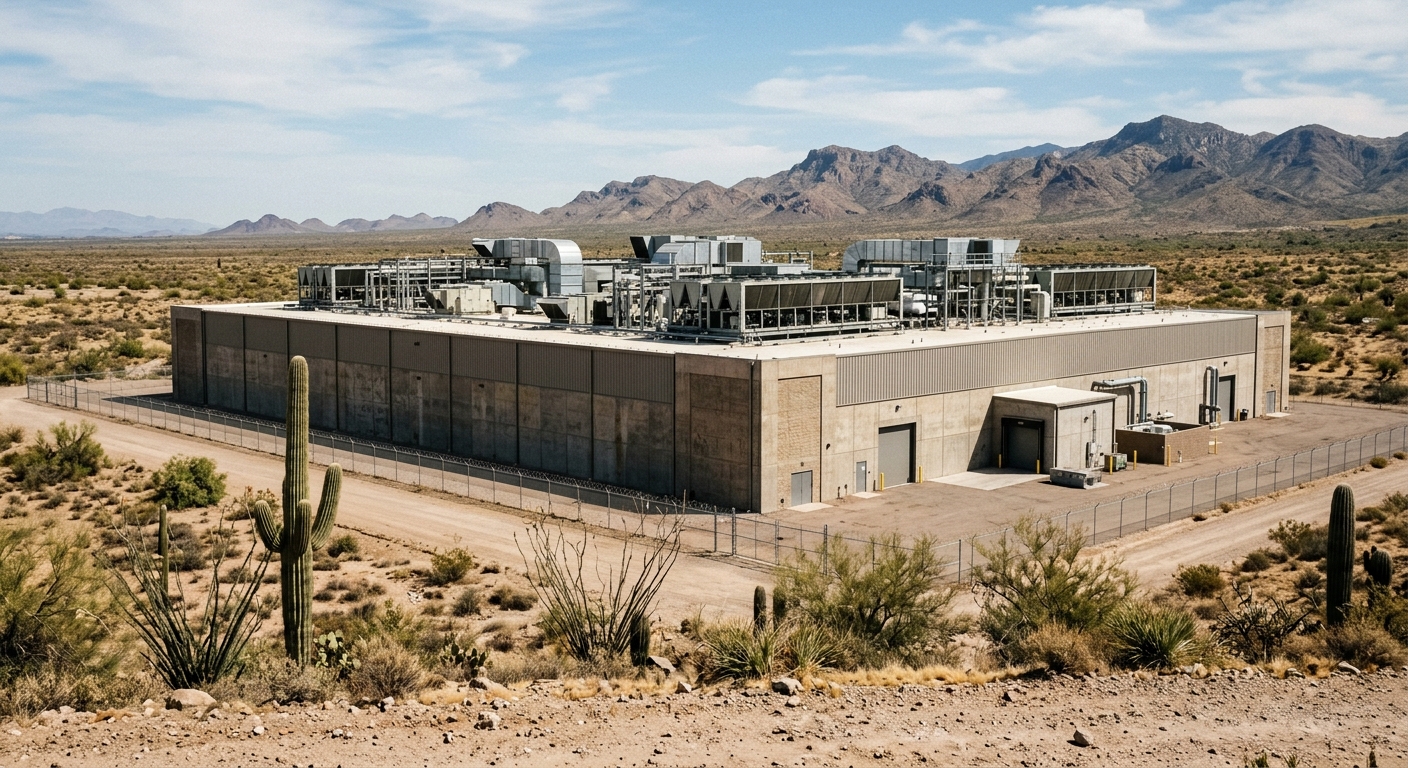
Phoenix has become a hotbed for data center development, and Amazon Web Services (AWS) is no exception. AWS operates multiple facilities in the area, leveraging Arizona’s growing renewable energy grid and stable business climate.
Arizona-based businesses, from aerospace manufacturers in Mesa to healthcare providers in Scottsdale, are increasingly turning to AWS for AI analytics, cybersecurity solutions, and scalable cloud infrastructure. The University of Arizona has partnered with AWS to advance space research, harnessing cloud computing for satellite imaging and astrophysics data processing.
Economic Climate Supports Tech and Logistics Growth
With inflation easing to 2.8 percent and interest rate cuts anticipated, Arizona’s pro-business policies and lower cost of living compared to coastal tech hubs make it an attractive location for Amazon’s expansion.
The company’s footprint in the Phoenix metro area is complemented by facilities in Chandler, Tolleson, and Surprise, all of which have seen significant hiring boosts. Rural areas such as Yuma and Flagstaff also benefit from seasonal job opportunities tied to Amazon’s holiday logistics surge.
Logistics and Supply Chain Efficiency in the Desert
Arizona’s location offers Amazon a logistical advantage. Shipments from West Coast ports often transit through the state before reaching the rest of the country. The company’s sortation centers in Phoenix and Tucson integrate with AI-based routing software, enabling deliveries to reach major southwestern cities within 24 hours.
In 2024, Amazon expanded its same-day delivery service in Phoenix, Tempe, and Glendale, capitalizing on Arizona’s dense urban corridors.
Job Creation and Skills Training
Amazon remains one of Arizona’s most prominent employers, with thousands of full-time positions and seasonal roles each year. Positions range from robotics technicians and software engineers to fulfillment associates and delivery drivers.
Through partnerships with Arizona State University and Maricopa Community Colleges, Amazon funds AWS Academy programs and cloud certification courses. These initiatives prepare residents for roles in AI development, cloud operations, and data security — sectors expected to grow rapidly in the coming decade.
Marketplace and Small Business Impact
Arizona-based small businesses are thriving on Amazon’s Marketplace platform. Sellers range from Native American artisans offering handcrafted jewelry to specialty food producers marketing Sonoran hot sauces.
Fulfillment by Amazon (FBA) gives these sellers access to the company’s logistics network, enabling them to compete nationally without investing in their own warehouses or shipping fleets.
Renewable Energy and Sustainability Commitments
Arizona’s abundant sunshine has positioned the state as a leader in solar energy, and Amazon is tapping into that potential. The company has invested in large-scale solar farms in Pinal and La Paz counties, designed to power both AWS data centers and fulfillment operations.
Electric delivery vans have rolled out in Phoenix and Tucson, reducing carbon emissions in urban delivery zones. Amazon has also tested heat-resistant green packaging materials specifically suited for Arizona’s extreme summer temperatures.
Rural Connectivity and Service Expansion
Amazon’s delivery network now reaches remote communities such as Page, Sierra Vista, and the Navajo Nation, where logistical challenges once slowed service.
Partnerships with local carriers and the use of micro-fulfillment points in smaller towns have improved delivery speed and reliability for rural customers.
Competitive Tech Environment in Arizona
While Amazon leads in e-commerce and logistics, the state’s technology sector is becoming increasingly competitive. Companies like Intel in Chandler, semiconductor startups in Tempe, and growing AI firms in Scottsdale contribute to a thriving innovation ecosystem.
This competitive environment drives Amazon to continuously enhance its operations, recruit top talent, and invest in local communities to retain its leadership role.
Outlook: Arizona as a Southwest Innovation Hub
From AI-enhanced warehouse automation to solar-powered data centers, Amazon’s investments in Arizona illustrate its long-term commitment to the state.
As population growth fuels consumer demand and renewable energy infrastructure expands, Arizona is poised to remain a central node in Amazon’s U.S. logistics, cloud, and sustainability strategies. The state’s mix of urban tech growth and rural service expansion ensures that Amazon’s impact will continue to be felt statewide.