- calendar_today August 27, 2025
NASA postponed Axiom Mission 4 launch after discovering a new air leak on the International Space Station (ISS). NASA acknowledged the mission postponement yet provided no further details about how severe the problem is. Key insiders have identified the leak as a mounting worry because essential ISS hardware will soon reach 30 years of service time.
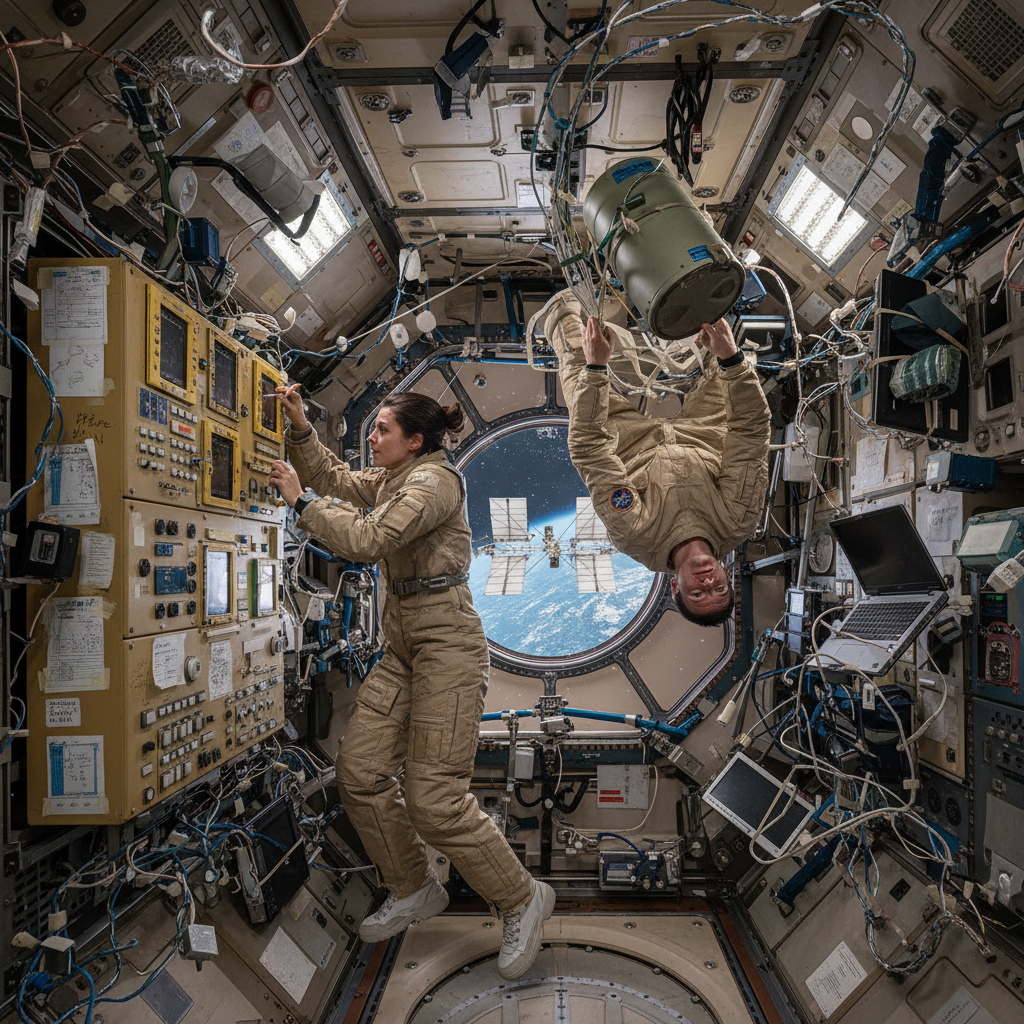
The International Space Station retains normal operating conditions for the crew but continues to experience air loss which has engineers working to find the cause.
A Familiar Leak Returns with New Worry
The International Space Station has encountered this problem before. The station has had a small yet consistent air leak since 2019. The source of the leak was determined to be the PrK transfer tunnel inside the Russian Zvezda service module. The transfer tunnel from the Russian Zvezda module leads to the docking port that serves both Soyuz crew spacecraft and Progress cargo vessels.
Russian cosmonauts conducted multiple repair attempts but were unable to stop the leaks entirely. The maximum reduction in air loss achieved was limited to only a few pounds of air each day. For years, the go-to fix was simple: The hatch leading to the PrK should remain shut unless spacecraft are docking.
Earlier this month, things seemed to improve. Russian space agency Roscosmos declared that the recent repairs had successfully sealed the PrK. NASA confirmed that leak rates within the module had ceased. An unexpected occurrence took place as the ISS’s total air pressure continued to decrease.
Engineers now suspect that the leak originates not from the module but from the hatch seals that connect to the PrK. Experts suggest that air escapes through the hatch seals into the PrK which remains visually intact. The module remains sealed from space but continues to deplete pressure from adjacent station areas which creates the false impression of a stable solution.
NASA, understandably, is watching closely. NASA staff felt uncertain according to a senior industry source which contributed to the postponement of Axiom Mission 4’s Thursday launch schedule.
The agency announced that the delay of Axiom Mission 4 gives NASA and Roscosmos more time to assess the situation and decide if further troubleshooting steps are needed. June 18 has been identified as the prospective new launch date yet this depends completely on the development of the leak situation.
Could Structural Fatigue Be to Blame?
High cycle fatigue represents a more severe possibility of structural failure. Metals experience stress damage from repetitive tension and aluminum is particularly vulnerable to this issue. The repetitive bending of a wire hanger demonstrates how metals experience high cycle fatigue. It eventually snaps without warning. That’s high cycle fatigue.
The incident involving Aloha Airlines Flight 243 in 1988 demonstrated metal fatigue when mid-air decompression occurred after fatigue weakened and subsequently tore off a section of the fuselage. The pilots successfully landed the plane but this event remains an unsettling demonstration of metal fatigue’s destructive power.
NASA is aware of the risk. The agency’s internal evaluations show structural cracking on the space station is the most critical risk according to its 5×5 matrix because both its probability and impact are high.
NASA Silent, Crew Safe for Now
NASA has neither shared additional information nor planned a press briefing in response to increasing inquiries from reporters and space enthusiasts. The agency’s only official statement reassures the public: The astronauts on board the International Space Station maintain standard operations while staying safe.
Normal operations continue aboard the International Space Station. The ISS crew maintains safety while proceeding with their planned work duties. The ongoing decline of air pressure combined with increased scrutiny of aging components results in serious questions regarding the future stability of the ISS.
As engineers work to solve the mystery, one thing is clear: The International Space Station marks 25 years of success yet now reveals signs of aging.