- calendar_today August 26, 2025
The release of Android 16 marks the end of a lengthy period of anticipation and testing. Google has begun distributing its newest mobile operating system version with Pixel phone users receiving updates before any other devices. Google’s Pixel users should anticipate receiving an over-the-air update in the near future. The update files and system images can be accessed immediately through Google’s official developer portal for those who cannot wait.
While Android 16 brings several adjustments and improvements it doesn’t deliver a massive influx of new features at launch. Android 16 follows the pattern of recent Android versions by delivering a restrained initial release. Users should expect the most exciting updates to be released later in the year. Pixel owners will find several important improvements in this version of the update.
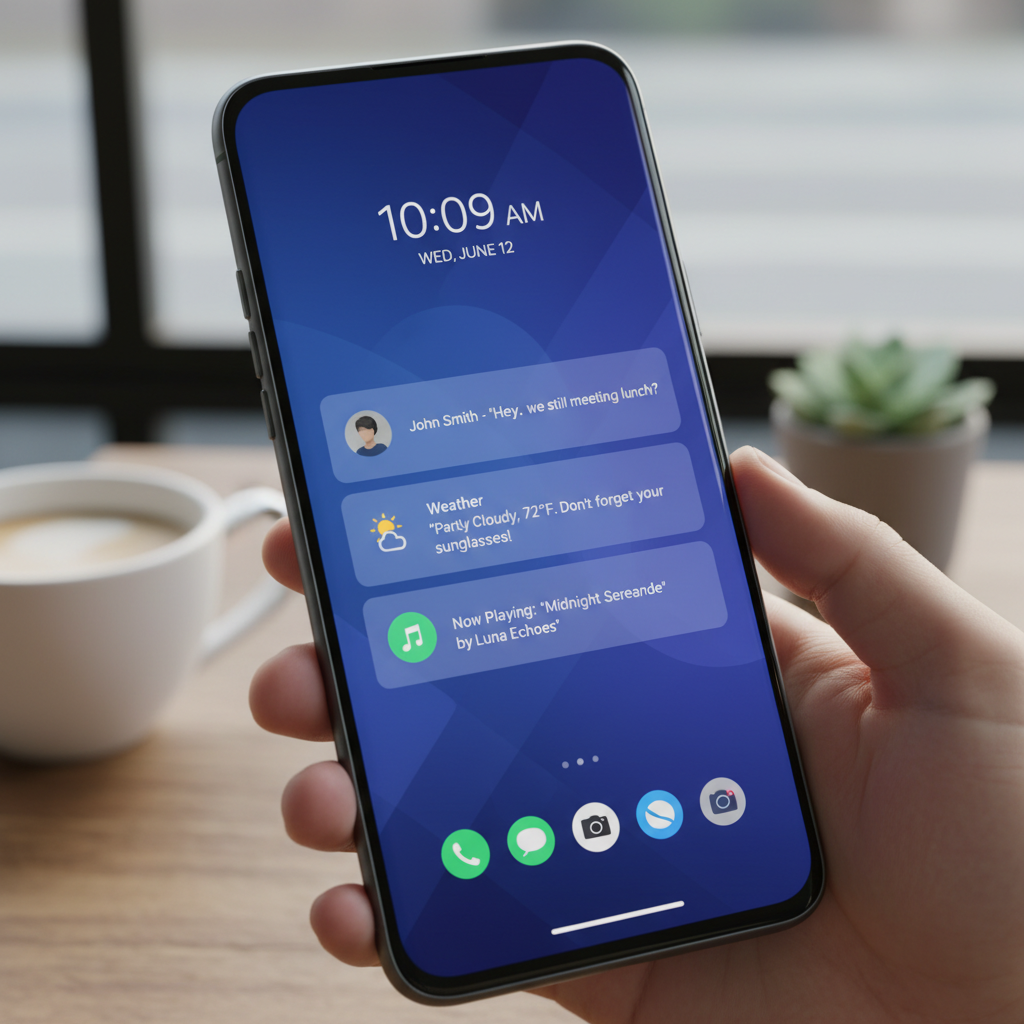
A prominent update within Android 16 includes an improved notification system. Google debuted bundled notifications with Android 7.0 Nougat to minimize clutter and Android 16 continues to develop this feature further. The updated system requires applications to consolidate multiple notifications into one expandable entry, which streamlines the notification shade and improves organizational efficiency.
The live update notifications feature represents a minor yet practical enhancement to the system. The initial implementation of this feature will begin with applications from rideshare and delivery services. The status bar will display a small icon that shows real-time updates for users. When users tap the icon it opens a pop-up that includes a live progress bar. Google confirmed that it has partnered with Samsung and OnePlus to implement this feature in their unique Android setups via Samsung Now Bar and OnePlus Live Alerts.
The new Android 16 version adds system-wide Advanced Protection to strengthen security for users. The system integration of this feature occurred after it was previously linked to Google accounts. When users enable this feature their devices will prevent connections to old 2G networks and restrict USB device access while automatically flagging dangerous websites. This upgrade represents major defense improvements for individuals aiming to enhance their device protection.
There’s also something fun for Pixel users. Through the Pixel Studio app and Emoji Kitchen users can generate custom emojis starting from Android 16. Users can create new emojis by mixing and matching elements in this generative AI-powered feature.
There are numerous background modifications available for developers to explore under Android 16. Android 16 supports automatic scaling of apps targeting API level 36 to adapt to large devices such as foldables and tablets. Google has urged developers to work towards providing seamless app experiences on larger devices which will now be smoother thanks to these updates. The update expands camera APIs to enable apps to access features such as motion photos, night mode detection and hybrid auto-exposure along with HDR screenshot support.
Google continues to implement stricter rules regarding background process operations. The update will break several outdated or neglected applications but will enhance the operating system’s performance and battery life.
Google will release a new Pixel Drop with special device-specific features together with Android 16. The Pixel VIPs feature serves as an updated version of the conventional favorite contacts system. After a contact receives VIP status their information appears on a distinct interface. It integrates recent messages from Messages and WhatsApp together with shared personal data that spans birthdays and locations. VIP contacts have the ability to override Do Not Disturb settings to enable uninterrupted communication.
The Pixel Drop release extends Expressive Captions to users in the UK along with Australian and Canadian users. The Magnifier app now provides enhanced support for hearing aids along with live search functionality. These enhancements remain understated yet they improve accessibility and daily utility.
Android 16 is currently live yet major features are yet to emerge. The recently launched Material 3 Expressive design language from Google has been excluded from this update. Pixel devices will receive the launch of this product later this year. Google has advised developers to start adapting their applications ahead of the expected visual transition.
The development plan includes Android’s long-speculated desktop mode. Tablets and supported phones will gain the ability to attach to external displays and use floating windows which will create a desktop-like environment. Google formed a partnership with Samsung to develop its DeX windowing system. On-device windowing will not work with foldable models like the Pixel 9 Pro Fold as they will only support desktop projection onto external displays. Manufacturers have the choice to enable this feature but they can also remain with basic screen mirroring functionality.
The introduction of this new product represents a change in Google’s Android release schedule. Google plans to release major Android versions in late spring now and then provide smaller feature-focused updates later in the year instead of launching each new version with Pixel hardware in the fall.
Android 16 may not deliver major features immediately but prepares for substantial updates in the future. The initial release remains subdued yet establishes the foundation for an exciting second half of 2025.