- calendar_today August 22, 2025
A tech company not exaggerating a minor improvement is refreshing in some ways. With Windows 11, Microsoft is acting exactly this way. Microsoft is subtly improving the daily tools you already use—and making them noticeably smarter—while much of the AI scene is screaming about chatbots and futuristic assistants.
These adjustments are not flashy. Every time you open your laptop, a virtual assistant will not greet you. But apps like Snipping Tool, Photos, and even MS Paint are getting smarter gradually and definitely. not using gimmicks. With real, pragmatic enhancements that inspire you to say, “Huh, that’s useful.”
Photo and Snipping Tool Learning New Tricks
Starting with the Snipping Tool, let us It has always been easy: grab a screenshot, crop it, then save it. That is exactly what I mean. Now, however, Microsoft is testing optical character recognition (OCR), thus the Snipping Tool will be able to read text from the picture you just took. Indeed, you could just choose the text and copy it elsewhere from that quotation from a PDF or that message from a web screenshot.
Once you start using it, you can clearly see this kind of upgrade. There is no opening third-party tools or retyping a line from an image now. You merely copy and walk on.
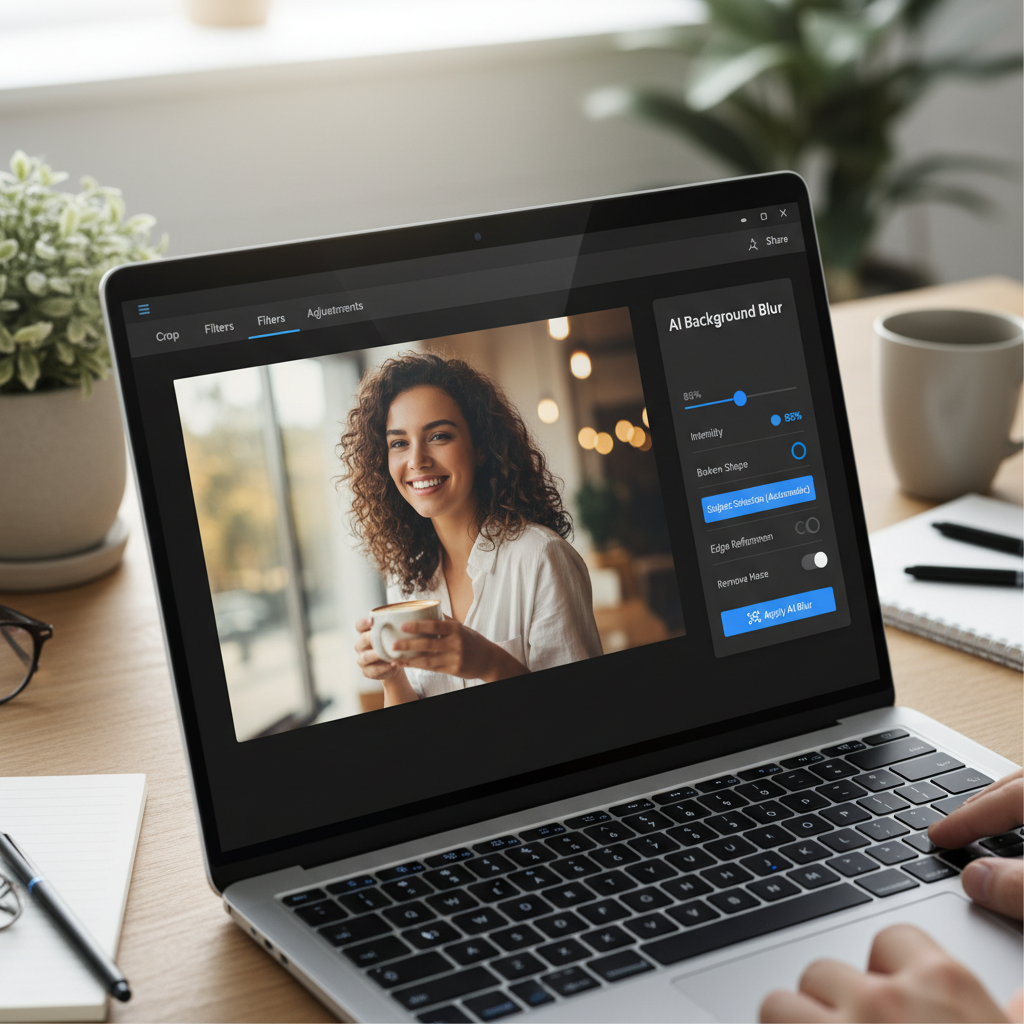
The Photos app comes next and is likewise stepping up. Microsoft is including artificial intelligence capabilities to identify objects, faces, and pets in your images. Would like to blur a background? Create a person out of cuts? With just a few clicks, you will be able to accomplish it—no Photoshop required. It makes almost anyone able to do casual photo editing.
Though all of it is happening behind the scenes, there will be a clear difference. These apps will feel better—sharper, faster, more useful—not brand fresh.
Even paint is becoming creatively innovative. Indeed, literally
Indeed, MS Paint is surfing the artificial intelligence tsunami. Microsoft is testing a text-to-image tool whereby typing a description will create images. Have a vision of a robot chef preparing breakfast on Mars? Type it just as you would. Driven by OpenAI’s DALL-E, paint will create it using the same kind of generative AI you will find in Bing’s image tool.
This kind of thing used to be limited to premium software or artificial intelligence art websites. Now, most of us used as children used a default Windows application. Without any design experience, this is an interesting, friendly approach to investigating artificial intelligence creativity.
The clever thing here is that Microsoft isn’t pushing these capabilities upon anybody. Simply sitting there, they are gently enhancing what is already known. You find your old tools getting smarter; you do not have to pick up a new tool.
And none of this could be done without hardware changes.
The Function of Local Processing and NPUs
Your device must be built for running artificial intelligence functions if they are to be seamless. Now enter the specialized chip known as the Neural Processing Unit (NPU), which manages artificial intelligence chores faster and more effectively than conventional CPUs or GPUs.
Though they are not new, NPUs are now increasingly found in mainstream devices. NPUs found in AMD’s 7040 series and Intel’s Meteor Lake chips allow artificial intelligence tasks to occur straight on your device—no cloud required.
For privacy as much as performance, this is significant. Instantaneous local tasks, including text recognition or image generation, occur here. The results are smoother, but your data does not leave your computer.
Windows 11 makes most use of NPUs right now for background blur or camera enhancements. But with these changes, artificial intelligence starts to show up in your regular workflow.
It is interesting how Microsoft approaches this. It’s not about massive, audacious rebranding. It’s about enhancing what works—and allowing the tech to fade into the background.
And honestly? That kind of innovation is what stays.