- calendar_today August 22, 2025
How Lululemon’s Recent Challenges Impact Arizona’s Retail Sector
Introduction
Lululemon, the global activewear powerhouse, now faces economic issues that are making waves in the fashion retailing landscape, here in Arizona. With changing consumer behavior, inflation fears, and increasing competition in the market, Arizona retailers are keeping a keen eye to see if Lululemon’s difficulties can be a sign of greater industry trends. From changing inventory strategies to reassessing customer interaction, companies are acting to remain at the forefront in this new environment.
Why Lululemon’s Economic Struggles Are Relevant to Arizona Retailers
Arizona’s retail economy—especially in urban areas such as Phoenix, Scottsdale, and Tucson—is tightly associated with national and international brand performance. Lululemon’s recent experience has some takeaways for retailers in the local economy:
1. Suppressing Consumer Demand for Luxury Activewear
With inflation and fiscal conservatism affecting consumer expenses, consumers might be shying away from luxury activewear in preference for lower-priced, utilitarian options.
2. Competitive Marketplace and Market Shift
As Lululemon decelerates, other brands like Athleta, Gymshark, and affordable private labels pick up speed, compelling Arizona retailers to produce blended products and recreate alliance brands.
3. Supply Chain and Inventory Adjustments
Merchants might need to minimize dependence on a single high-end brand and concentrate on diversified inventory mixes that are more suitable for the consumers’ spending habits and emerging fashion directions.
Key Factors Behind Lululemon’s Economic Struggles
Lululemon’s near-term issues are fueled by a number of macro and industry-specific factors:
- Economic Pressures: Persistent inflation, elevated interest rates, and consumer apprehension have pinched discretionary spend, particularly on premium apparel.
- Changing Consumer Trends: The athleisure segment remains in transition, with consumers valuing comfort, affordability, and eco-friendliness over brand status.
- Increasing Competition: More affordable, quality activewear brands are drawing customers away from veteran premium leaders such as Lululemon.
- Strategic Realignments: Brand positioning, advertising campaigns, and prices may not be yelling as loudly to value consumers today.
Arizona Retailers’ Reaction to Lululemon’s Marketplace Struggles
Arizona retailers are adjusting their business models ahead of time to accommodate this change in the activewear market.
Diversifying Product Lines
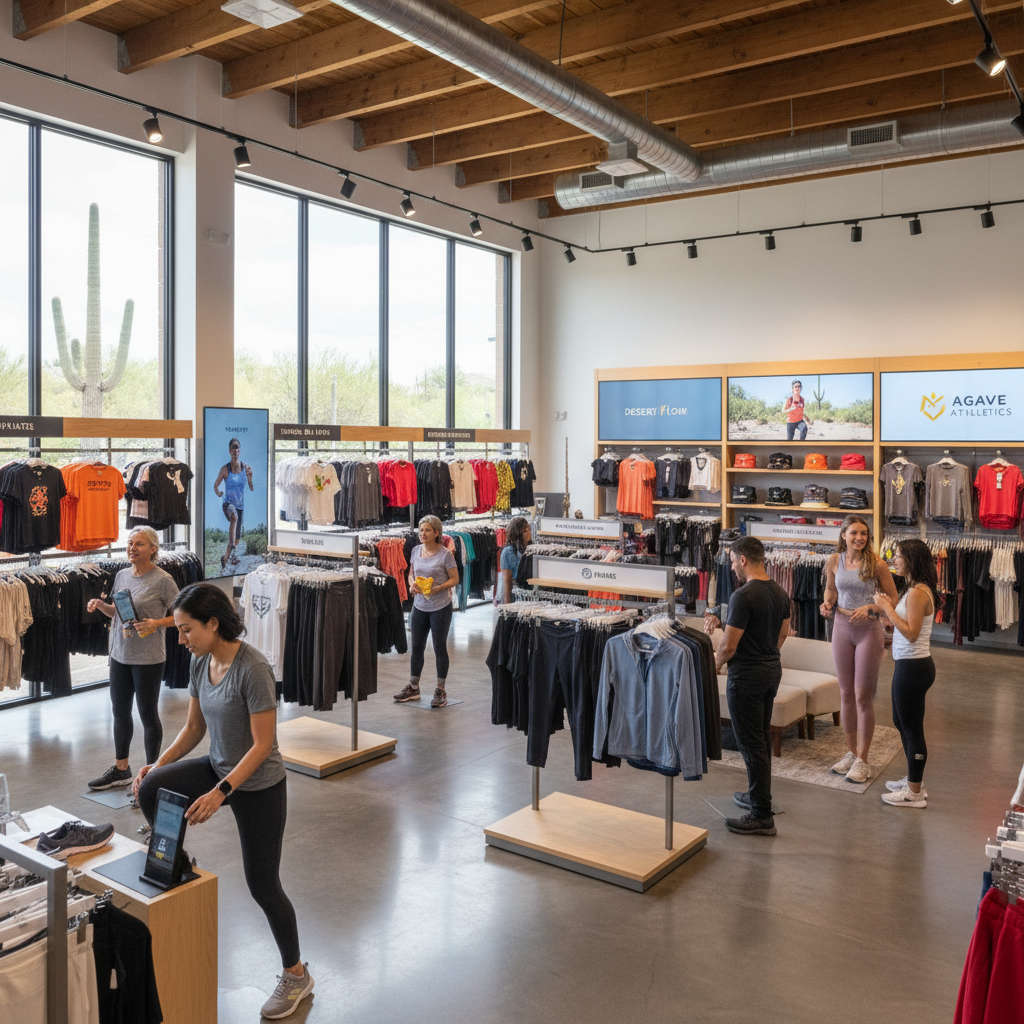
Arizona-based fashion stores and boutiques are adding more diversification of activewear brands to their shops to appeal to different income brackets and preferences.
Getting the Most Out of Marketing and Promotions
From pop-up sales to reward schemes, brick-and-mortar stores are using cutting-edge methods of promotion to drive foot traffic and online sales.
Tracking Consumer Trends
Keeping a close eye on neighborhood shopping behavior, particularly that of fitness-aware, health-conscious consumers, is allowing retailers to anticipate shifts in demand.
Delivering Customer Experience
Physical retail is investing in digital and in-store technology, including personalized service, frictionless checkout, and curated shopping environments to drive retention.
The Future of Arizona’s Fashion Industry in the Face of Market Changes
While Lululemon’s performance in the market is ringing warning bells, Arizona’s fashion market is holding up well. The state’s shopping centers—north of high-end malls in Scottsdale to lifestyle malls in Phoenix—are poised to address consumers’ needs. Retailers and companies that remain dynamic, customer-focused, and invest in developing new business models will define the future development of fashion retail in the Southwest.
Conclusion
Lululemon’s losses are an wake-up call for Arizona retailers caught in a rapidly evolving retail landscape. But through good planning and customer-focused strategies, local businesses can take uncertainty and create opportunity. By expanding product lines, streamlining marketing efforts, and providing first-class experiences, Arizona’s fashion industry is not only evolving, but succeeding, through the disruption.