- calendar_today August 13, 2025
How Arizona Auto Buyers and Car Manufacturers Are Meeting Global Auto Price Hikes
Introduction
Maruti Suzuki, India’s largest auto manufacturer, has increased car prices by 4% across the board. The auto manufacturer attributes rising raw material prices, inflation, and supply chain congestion globally. While Maruti Suzuki does not export cars directly to America, its price increases are part of broader industry trends that find markets all over the world, including Arizona, appealing.
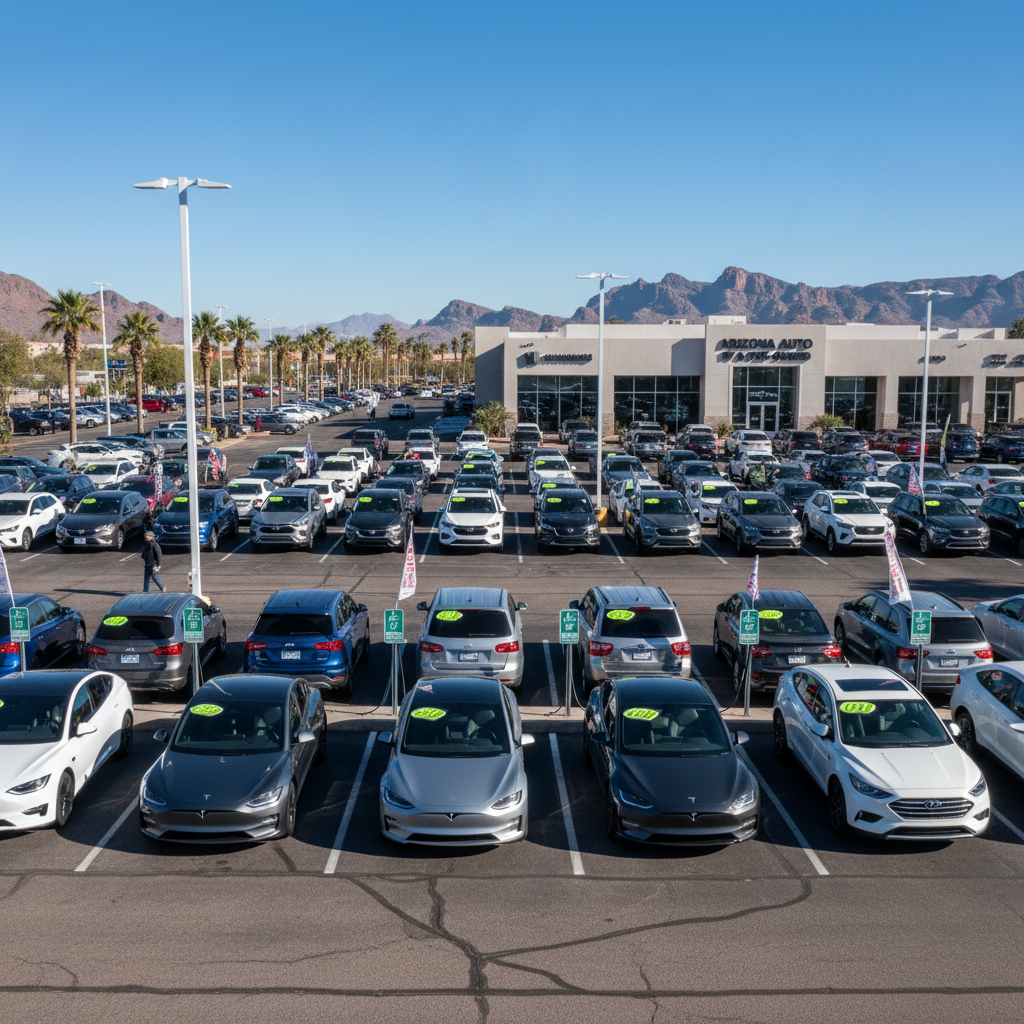
Arizona is strategically positioned for the sale of automobiles, with a built-in aggressive dealership channel and a thriving electric car market. With rising prices across the globe, the auto industry of Arizona has to contend with adjusting to changing costs, inventory chain problems, and changing consumer attitudes. The article addresses how the auto industry in Arizona is set to cope with these changes.
Maruti Suzuki’s price increase is part of a larger trend affecting the global auto industry. Factors such as rising steel and aluminum costs, expensive semiconductor components, and logistics challenges have forced many automakers to adjust their pricing. While Arizona buyers do not purchase Maruti Suzuki vehicles directly, the effects of these cost pressures are felt across the industry, impacting everything from new car prices to used vehicle demand.
How Arizona’s Auto Industry Is Adapting
Arizona’s automotive industry, which includes manufacturers, dealerships, and consumers, is adapting to these changes in the following manner:
1. Dealership Pricing Tactics that Adapt
Arizona automobile dealerships are adapting to price and selling trends from foreign sources. When increasing costs affect new vehicle sales, dealerships resort to competitive financing, trade allowances, and rebates in order to attract buyers and maintain sales levels.
2. Auto Part and Repair Cost Increases
Large percentages of the parts of American vehicles come from foreign markets, including India. When prices rise by Maruti Suzuki and other makers, the cost of the imported part will rise. This will translate to higher repair shop, dealer, and buyer costs for auto repair work.
3. Demand for Used Automobiles Increases
As new cars become pricier, buyers in Arizona increasingly are turning to the used automobile market. Sales of used automobiles have become even more popular the last few years, and dealerships across the state are bidding to stock up on used automobiles to appeal to the budget-conscious buyer.
4. Increased Demand for Electric and Hybrid Vehicles
With fuel costs fluctuating and car prices rising, more consumers in Arizona are exploring electric (EV) and hybrid options. The state has been actively promoting EV adoption through incentives, and automakers are ramping up production to meet growing interest in fuel-efficient alternatives.
What Arizona Car Buyers Can Do
If you’re planning to buy a car in Arizona, here are some practical strategies to navigate rising costs:
Shop Around for the Lowest Prices – Shop around at several different dealerships to get the best available prices.
Look for Certified Pre-Owned Cars – A certified pre-owned car can deliver confidence and worth if bought in comparison to a new one.
Apply Manufacturer Incentives – Car manufacturers typically offer rebates, financing incentives, or trade-in incentives to balance rising prices.
Monitor Market Trends – Staying abreast of price movements for cars can help you time your car purchase right.
Study EV and Hybrid Cars – Gas guzzlers may pay off in the long run with lower maintenance and fuel expenses.
Conclusion
The Maruti Suzuki price increase is a reflection of overseas cost pressures that are across the industry for the whole auto sector. Although Arizona does not actually import Maruti Suzuki cars, the increasing costs abroad are having a ripple effect on automobile prices, manufacturing expenses, and consumption patterns.
Arizona’s automotive industry is reacting by altering dealership trends, managing repair costs, and expanding the used car and electric vehicle business. While global auto prices continue to fluctuate, Arizona car buyers and businesses must remain current and adaptable in order to compete effectively in the new car market.