- calendar_today June 11, 2026
Arizona — The future of Colorado River water access faces heightened uncertainty as Arizona, alongside other Lower Basin states, risks losing nearly $354 million in federal conservation funds amid escalating disputes over water rights. The warning, delivered by Senate Energy and Natural Resources Committee Chair Mike Lee, signals a critical juncture for regional water policy and resource management.
Federal Funds at Risk Amid Ongoing Water Disputes
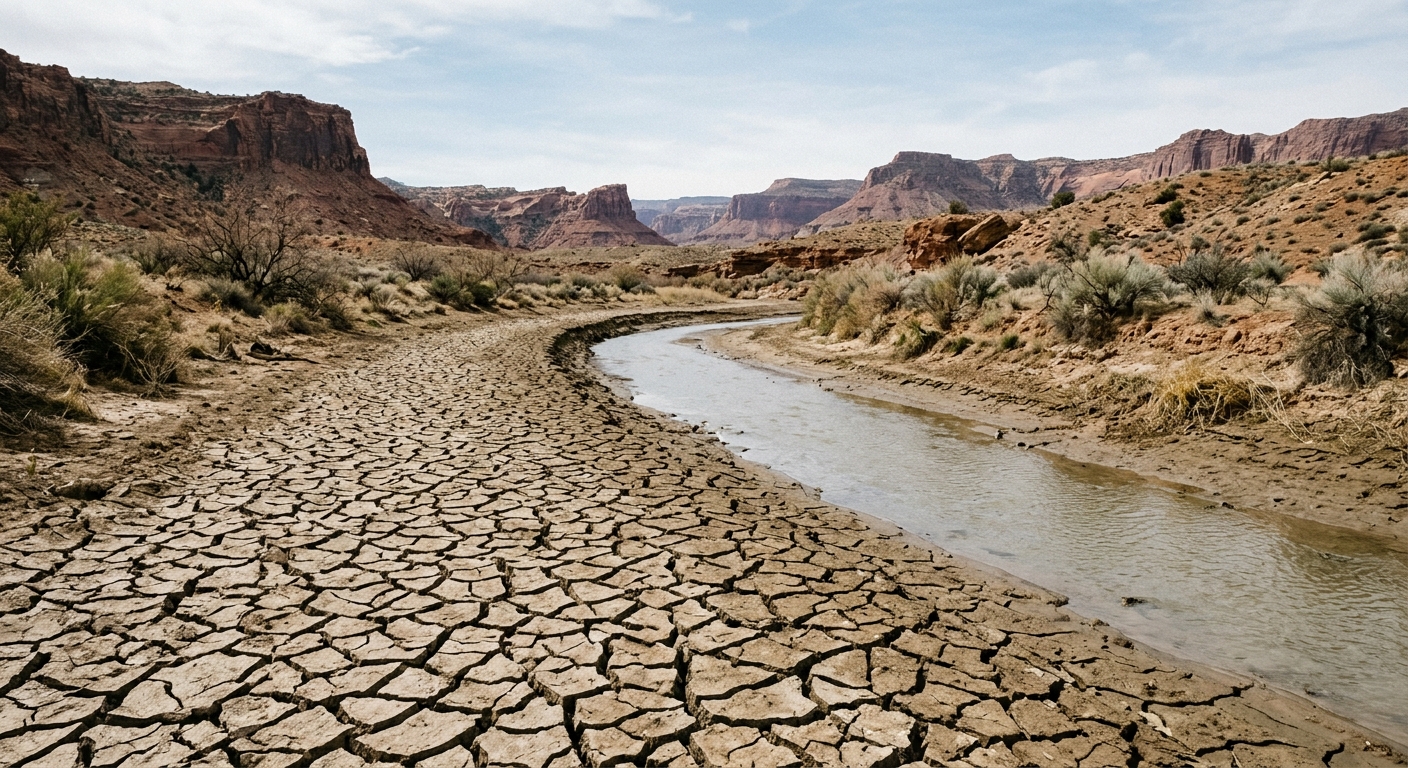
The Colorado River, lifeblood of numerous Southwestern communities, is increasingly at the center of contentious negotiations over water allocation. Senator Lee’s admonition comes as Arizona, California, and Nevada weigh potential litigation against Upper Basin states — Colorado, Utah, New Mexico, and Wyoming — over shrinking supplies and the division of resources when the current 19-year water-sharing agreement expires in 2026.
At stake are $354 million in federal conservation funds provided through the 2022 Inflation Reduction Act, earmarked for voluntary water conservation and drought mitigation projects across the Colorado River basin. Unless spent by the end of September, these funds could expire, impacting critical regional initiatives aimed at mitigating water shortages and supporting sustainable water conservation.
Diverging Interests Between Upper and Lower Basin States
The long-standing water disputes between basin states underscore deep divisions in how to equitably share water from the Colorado River. While Upper Basin states have traditionally relied on natural runoff, Lower Basin states – with Arizona at the forefront – depend on substantial allocations for municipal and agricultural use. This interstate water debate has become more urgent as federal officials signal forthcoming water allocation cuts if consensus remains elusive.
The Bureau of Reclamation is preparing to enact significant reductions, including potential cuts of up to 77% for Arizona, unless states coalesce around a revised agreement. The looming possibility of legal action, however, places both conservation progress and federal funding in jeopardy.
Economic Stakes for Arizona and the Nation
Arizona’s reliance on Colorado River water remains foundational to its economic development, infrastructure, and quality of life. State leaders, such as Senator Ruben Gallego, have underscored that access to reliable water supply is not only a state priority but a matter of national concern given Arizona’s agricultural exports and position within the broader regional economy. Conservation funds support everything from drought mitigation to innovative water conservation initiatives, with local communities and industries depending on continued federal support.
The Role of Congress and the Department of the Interior
Senator Lee has emphasized Congress’s central role in ratifying any long-term deal governing interstate water usage. Meanwhile, the Department of the Interior has expressed apprehension over proposed solutions and is coordinating interagency responses to break the impasse. As the debate intensifies, pressure is mounting on policymakers and stakeholders throughout the Colorado River basin to advance practical, equitable frameworks that reflect dwindling water supplies and long-term environmental sustainability.
Implications for Drought Mitigation and Regional Resilience
The confluence of persisting drought, regional population growth, and climate uncertainty has placed enormous strain on the Colorado River basin. The risk of losing critical federal funding has raised alarms among local governments, water agencies, and rural communities alike. Accelerating effective drought mitigation and water conservation strategies is now more critical than ever, particularly for Arizona, given its outsized vulnerability to water shortages.
Finding a Path Forward for Arizona’s Water Future
With the 2026 expiration of the current water agreement approaching, observers throughout Arizona and the wider Southwest are watching closely for signs of compromise. Successful management of water rights disputes and prudent use of conservation funds remain essential to preserving the economic and environmental stability of the region. For the communities and industries that draw from the Colorado River, the message is clear: collaborative solutions and timely action are vital if Arizona and other states are to safeguard their water future in the face of ongoing shortages and shifting federal funding priorities.